
Does GenAI Reliance Undermine Translators’ Roles and Identities? GenAI Literacy and Translation Competence Matter
Junyi Mao1, Durham University
Binghan Zheng2, Durham University
The Journal of Specialised Translation 46 (2025), 21-46
https://doi.org/10.26034/cm.jostrans.2024.4724

ABSTRACT
The rise of generative artificial intelligence (GenAI) has raised concerns that translators may be relegated to mechanical roles, such as machine translation consultants or post-editors, potentially eroding textual ownership and professional identity. Yet empirical evidence reveals heterogeneous responses: practitioners familiar with AI and confident in creativity, cultural awareness, and subject-matter expertise embrace GenAI more actively. This divergence suggests that translators’ engagement with GenAI is conditioned by translation experience and AI literacy, understood as the ability to use AI critically, efficiently, and ethically. Grounded in professional identity theory, this mixed-methods study examines how self-initiated GenAI adoption affects translators’ role evolution and identity reconstruction in high-resource language contexts. Semi-structured interviews (n=41) unravelled shifting roles and occupational personas, alongside strategies for identity preservation or enhancement. Partial least squares structural equation modelling analyses of survey responses (n=268) further validated the negative impact of GenAI overreliance, especially for expertise-intensive tasks, and underscored the urgent need to strengthen translators’ cross-cultural competence and GenAI literacy in the digital age.
KEYWORDS
GenAI adoption, translators’ roles, professional identity, GenAI literacy, translation competence.
1. Introduction
Technologies are now deeply embedded in standardised translation workflows, with machine translation increasingly repositioning humans as post-editors (Ginovart Cid et al., 2020). This shift has fuelled automation anxiety among professional translators (Vieira, 2020), a trend intensified by the emergence of large language models (LLMs). By achieving human-comparable performance in non-literary translation tasks (Briva-Iglesias et al., 2024; Fu & Liu, 2024), GenAI reinforces misconceptions of human replaceability. Nevertheless, biased training data constrain GenAI’s capacity to handle literary expressions (Li, 2024), culture-specific references (Metwally et al., 2024), specialised terminology (Andrade Preciado et al., 2025), and low-resource languages (Hendy et al., 2023). Moreover, GenAI’s hallucination and fluency-driven inaccuracies (Shi et al., 2025) complicate post-editing processes. GenAI uptake among professional translators therefore remains modest, ranging from 13.5% to 37% (Rivas Ginel et al., 2024; Farrell, 2024), with adopters typically viewing GenAI as an advanced computer-assisted translation (CAT) tool that boslters efficiency and self-efficacy (Alkodimi et al., 2024; Rivas Ginel & Moorkens, 2024).
Recent scholarship has increasingly examined the broader ramifications of AI integration, highlighting evolving translator roles (Lee, 2024), responsibilities (Herbert et al., 2023), and industrial landscapes (Wang, 2025). AI literacy, defined as the ability to critically deploy AI technologies, including but unlimited to machine translation, through combined technical and linguistic expertise, has become a core component of translators’ instrumental competence (Krüger, 2023) and market competitiveness (Ehrensberger-Dow et al., 2023). Meanwhile, advances in multi-agent automated systems, such as TransAgents developed by Wu et al. (2024), raise the prospect of end‑to‑end AI-managed translation workflows. Such developments have provoked polarised reactions among translators, who perceive AI as productivity enhancers (Rivas Ginel & Moorkens, 2024) or identity disruptors (Ruffo, 2024). More recently, AI-generated subtitles have been shown to redistribute interpreters’ cognitive effort and diminish visibility as cross-cultural mediators (Yin, 2024), illustrating how AI adoption may recalibrate translators’ role orientations (Chen, 2024) and professional identity (Briva-Iglesias & O’Brien, 2022).
Organisational scholars define professional identity as individuals’ self-identification with a professional community, grounded in role enactment and social recognition that distinguish professionals from non-experts (Chreim et al., 2007). When technological integration reconfigures core responsibilities, practitioners who experience skill underutilisation (Craig et al., 2019) and development impediment (Moorkens, 2020) may face identity threat. Conversely, autonomy and domain-specific competence (Goto, 2021) enable professionals to conceive AI application as an extension of personal capability (Carter & Grover, 2015), fostering productive human-AI symbiosis and identity preservation.
Despite growing interest in GenAI and translation, empirical insights concerning working translators remain limited. Existing studies often focus on ChatGPT (Paulsen Christensen et al., 2024; Rivas Ginel & Moorkens, 2024), small samples (Łukasik, 2024), or university students and educators (Gene et al., 2024; Nkomoki et al., 2024). While GenAI overreliance proves to reduce translation engagement (Kruk & Kałużna, 2025) and provoke apprehensions about profile reconfiguration among trainees (Başer & Aral, 2024), little is known about how professional translators navigate these transformations. Addressing this gap, this study integrates interviews and questionnaires to investigate how GenAI adoption shapes the roles and professional identity of translators whose monther tongue is English or Chinese, two high-resource languages particularly affected by the diffusion of GenAI. Specifically, it aims to answer the following research questions:
How do native English-speaking and native Chinese-speaking translators use GenAI in their work?
How does GenAI adoption affect their roles and professional identity?
What strategies do they employ to sustain professional identity?
2. Literature review
2.1. AI and translators’ roles
The large-scale integration of AI, particularly generative models, into translation workflows has intensified attention to its effects on translators’ roles (Chen, 2024), responsibilities (Herbert et al., 2023), and well-being (Jiménez-Crespo, 2024). As AI increasingly undertakes routine linguistic transfer, human translators are repositioned as post-editors, quality controllers, and data managers (Łukasik, 2024). While AI-assisted translation has been associated with reduced workloads and improved accuracy (do Carmo et al., 2024; Rivas Ginel & Moorkens, 2024), it also introduces psychological and economic pressures. Translators now face continuous demands for technological adaptation, ongoing skill upgrading, accelerated work rhythms, and blurred work–life boundaries (Paulsen Christensen et al., 2024). Expanding AI involvement may also constrain translators’ expertise utilisation (Farrell, 2022), weaken their textual ownership (Ruffo, 2024), and undermine professional identification (Li, 2023). Economically, shrinking opportunities for human intervention can exacerbate price pressure and job insecurity (Kirov & Malamin, 2022).
Empirical studies reveal reciprocal relationships between AI perception and adoption. Translators who perceive AI as useful and retain confidence in their expertise are more likely to integrate AI into workflows (Ameri, 2024; Rivas Ginel & Moorkens, 2024; Sahari et al., 2023). Conversely, literary translators who caution against AI’s potential to undermine linguistic artistry and professional legitimacy express scepticism (Daems, 2022; Ruffo, 2024). Experienced translators likewise display negative attitudes toward translation technologies, due to low AI literacy and limited gains from AI assistance (Sakamoto et al., 2024). In turn, AI adoption reshapes professional identity by altering translators’ role expectations and functions (Herbert et al., 2023). When AI use curtails creativity (Sahari et al., 2023), increases cognitive load (Shokoohifar, 2024), reduces autonomy (Jiménez-Crespo, 2023), or marginalises domain expertise (Sakamoto, 2019), translators frequently articulate dissatisfaction. This mechanisation of linguistic craft and erosion of social recognition further endanger translators’ self-perception. Contrarily, when human intelligence remains indispensable, as in cultural interpretation, where AI plays supportive roles by managing routine work, translators can assume emerging roles like machine translation literacy consultants or language engineers (Briva-Iglesias & O’Brien, 2022; Ehrensberger-Dow et al., 2023) to strengthen professional identity. Nonetheless, heightened productivity demands and AI proficiency expectations may exacerbate technology-induced stress (Paulsen Christensen et al., 2024), complicating efforts to preserve professional identity.
Overall, although digital transformation has overhauled translation workflows (Kornacki & Pietrzak, 2024) and catalysed identity reconfiguration (Massey & Ehrensberger-Dow, 2026), empirical evidence remains scarce regarding how voluntary GenAI adoption across multiple stages of translation (Shi et al., 2025) restructures professional identity and how individual characteristics moderate this process.
2.2. Theoretical underpinnings
Professional identity theory conceptualises identity as an individual’s understanding of who they are within an occupational community, shaped by role enactment, institutional expectations, and personal values (Ashforth & Schinoff, 2016). Professional identity stablises through role-specific behaviour that differentiates professionals from non-experts and is reinforced through social validation (Nelson & Irwin, 2014). When core roles are downgraded or rendered obsolete by technological change, professionals may experience identity threat, prompting defensive responses (e.g., technology avoidance) or adapative strategies such as role redefinition (Petriglieri, 2011). In translation, perceived threats to job availability (Qiao et al., 2026), income security (Rivas Ginel & Moorkens, 2024), and social prestige (Ruffo, 2024) may deter GenAI adoption. Conversely, when GenAI supports aspirational professional functions and allows greater concentration on expertise-manifesting tasks such as creative adaptation, identity transformation or enhancement becomes possible (Siu, 2023).
Prior research suggests two psychological pathways linking GenAI adoption to professional identity. First, translators assess how GenAI contributes to professional value, particularly in relation to expertise (Yin, 2024). Second, they interpret GenAI’s role vis-à-vis human translators — as an assistant, collaborator, or mentor — which informs perceptions of complementarity or displacement (Al Mudarra, 2025). These evaluations jointly determine whether GenAI usage is identity-enhancing or identity-threatening. Accordingly, the following hypotheses are proposed:
H1. Reliance on GenAI for complex tasks (e.g., creative and evaluative work) increases perceived GenAI value contribution and undermines professional identity; reliance on GenAI for routine tasks (e.g., consultation) increases perceived GenAI workload contribution without diminishing professional identity.
H2. Reliance on GenAI for complex tasks fosters perceptions of GenAI as a collaborator or mentor, undermining professional identity, whereas reliance on GenAI for routine tasks promotes perceptions of GenAI as an assistant, preserving professional identity.
H3. The relationship between overall GenAI use frequency and professional identity follows an inverted U-shape: initial increases of GenAI use undermine identity due to perceived role displacement, while extensive use reinforces identity as translators reconfigure their roles.
2.3. Moderation of AI literacy and translation experience
AI literacy encompasses the competencies required to evaluate, interact with, and apply AI technologies effectively and ethically (Long & Magerko, 2020). Translators with higher AI literacy report fewer threats (Paulsen Christensen et al., 2024) and more advantages from AI assistance (Tavares et al., 2023; Rivas Ginel & Moorkens, 2024). Organisational research suggests this as attributable to their awareness of AI limitations, recognition of human indispensability (Tully et al., 2023), and internalisation of AI use as personal competence (Carter & Grover, 2015). Krüger (2023) similarly contends that translators who endorse AI literacy as integral would cultivate relevant skillsets, thereby enhancing or expanding professional identity through AI-oriented roles. Conversely, translators overwhelmed by technological interventions often experience dissatisfaction (LeBlanc, 2017), diminished control (Jiménez-Crespo, 2023), reduced ownership (Ruffo, 2023), and identity alienation (Ruffo, 2024).
Translation experience, operationalised as years of professional practice, constitutes another moderator. Experienced translators frequently resist technological adoption, question efficiency gains (Salmi, 2021), and express discontent with machine translation post-editing (Farrell, 2022), whose established self-efficacy meanwhile attenuates perceived threats from GenAI integration (Sánchez-Gijón, 2022). Contrarily, student translators appear more receptive to GenAI experimentation, although their inexperience amplifies concerns about career displacement (Zhang et al., 2025). Given the centrality of GenAI to this study, the following hypotheses are advanced:
H4. GenAI literacy mitigates the negative effects of GenAI reliance on professional identity.
H5. Translation experience buffers the negative impact of GenAI reliance on professional identity.
3. Methods
This mixed-methods study combines qualitative and quantitative approaches to examine the psychological implications of GenAI adoption. Phase one utilised semi-structured interviews with professional translators to explore role evolution and identity reconstruction in GenAI-assisted translation. Phase two tested hypotheses through Partial Least Squares Structural Equation Modelling (PLS-SEM) analysis of survey data, selected for its robustness in complex models with moderately-sized and skewed datasets (Hair et al., 2021). Ethical approval was obtained from the research ethics committee of Durham University and informed consent secured from all participants.
3.1. Interviews
From March 20 to April 4, 2025, 41 translators were recruited via LinkedIn for one-to-one online interviews using convenient sampling. They comprised 39 Chinese and two British translators (17 females, 24 males), aged 24-58 years (M=33.9, SD=8.8), and represented diverse educational backgrounds (one others, nine bachelor’s, 17 master’s, four PhDs) and employment types (14 freelance, 15 part-time, ten in-house, two firm owners). Professional experience ranged from two to 30 years (M=10.2, SD=7.34), with cumulative translation output spanning 12,500 to 30 million words (M=4,588,311, SD=7,183,483).
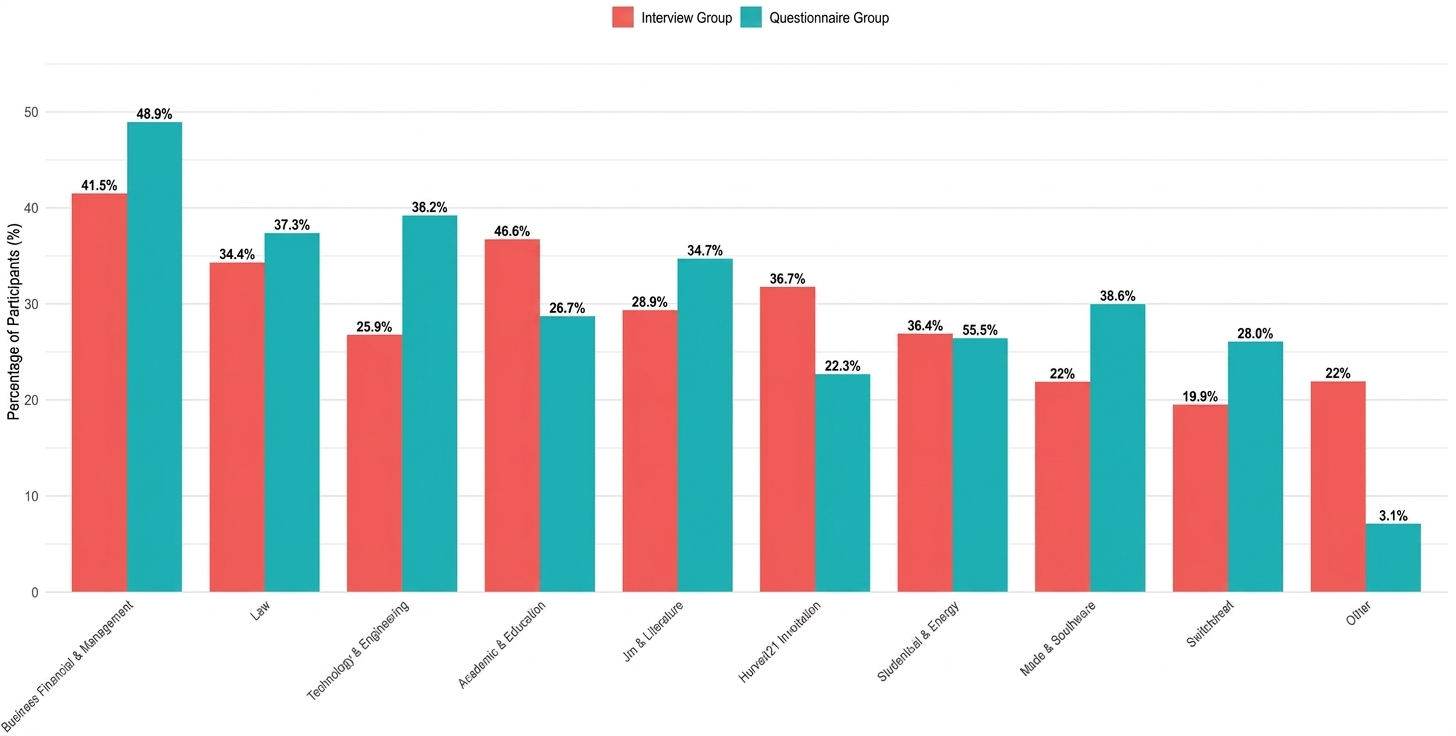
Figure 1. Participants’ areas of specialisation
As Figure 1 shows, most interviewees identified as generalists, working primarily in business (41.5%), academic (36.6%), legal (34.1%), literary (29.3%), and technical (26.8%) translation. A subset specialised in game localisation (31.7%) and audiovisual translation (19.5%). This demographic and professional diversity supported the theoretical saturation of qualitative themes (Marshall et al., 2013). GenAI experience ranged from zero to 36 months (M=17.2, SD=10), with the majority reporting frequent use (63.4%), high functional familiarity (63.4%), and moderate-to-high self-rated proficiency (58.5%) (see Figure 2).
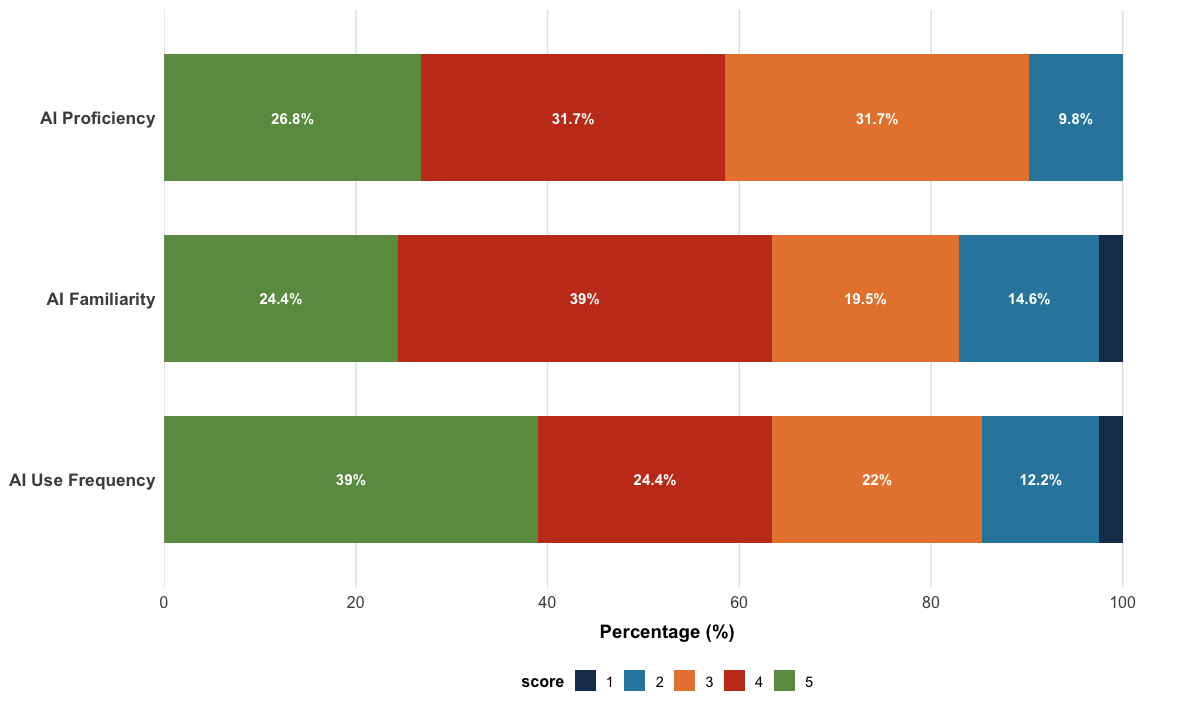
Figure 2. Interviewees’ GenAI use and literacy levels
The interview protocol (see Appendix) began with demographic and professional profiling, followed by questions on GenAI literacy (familiarity and proficiency) and use patterns, including frequency, duration, motivation, application in the translation process, and avoidance scenarios (RQ1). For RQ2, participants reflected on role changes following GenAI adoption, described their translator role before and after GenAI integration in a single phrase, and discussed how GenAI-assisted translation impacts professional identity. For RQ3, they reported shifts in client or employer expectations and strategies for maintaining professional identity in the GenAI era. All interviews were anonymised to encourage candid responses. Audio transcripts were independently coded by the first author and a doctoral researcher using thematic analysis. Coding discrepancies were resolved through collaborative discussion and, when necessary, participant clarification to enhance analytic credibility (Cypress, 2017). The coded dataset is available upon reasonable request.
3.2. Survey design and distribution
The survey, administered in respondents’ native language, comprised four sections:
Demographics: Gender (Sahari et al., 2023), age (Tavares et al., 2023), education (Gillespie et al., 2025), employment type (Verplaetse & Lambrechts, 2019), translation experience (Sakamoto et al., 2024), language pairs, and specialisations were collected given their relevance to AI adoption.
GenAI usage and perceptions: Items measured types, purposes, duration, and frequency of GenAI use, GenAI contribution (workload reduction vs. value creation), human-GenAI relationship (assistant, collaborator, guide), and the importance of GenAI literacy.
GenAI literacy: Adapted from Ma and Chen’s (2024) five-point AI literacy scale, measuring GenAI awareness (understanding GenAI mechanisms), usage (wide and proficient application), evaluation (ability to assess and revise GenAI outputs), and ethical considerations (risks and responsibilities).
Impact on professional identity: Adapted from Yoo and Jeong’s (2017) instrument, capturing GenAI’s effects on job satisfaction (e.g., “GenAI introduction undermines job satisfaction”), recognition (e.g., “GenAI introduction reduces skill utilisation”), and social status (e.g., “GenAI introduction undermines my social status”), rated from five (strongly agree) to one (strongly disagree).
The questionnaire was reviewed by four translator-cum-researchers and one management professor to establish content validity, and was subsequently pilot-tested with six translators to ensure clarity. The finalised version with full content available at https://www.wjx.cn/vm/hF6yJVw.aspx# was distributed across LinkedIn, TranslationDirectory.com, and international translator associations.
3.3. Data collection and analysis
From April 24 to June 3, 2025, 358 respondents completed the survey. After excluding incomplete responses from 84 GenAI non-users, four non-translators, and four straight-lining cases, quantitative analyses were conducted with 268 valid responses. The sample included a majority of females (57.1%), postgraduates (66.4%), and freelancers (40.3% full-time; 41% part-time). Respondents ranged in age from 20 to 87 years (M=36.43, SD=11.31), with professional experience spanning 0.5-55 years (M=10.47, SD=9.36) and cumulative word counts from 300 to one billion (M=11,748,609, SD=87,320,659). All participants worked with high-resource language pairs (see Figure 3), including English-Chinese (74.4%), French-English (7.8%), Germany-English (5.2%), and Spanish-English (4.1%), with 33 multilinguals also translating low-resource languages. Specialisations were diversified (see Figure 1), with concentrations in business (48.9%), technical (39.8%), legal (37.3%), literary (34.7%), and media (29.9%) translation. GenAI experience ranged from 0.5 to 60 months (M=14.94, SD=10.97), and 79% identified GenAI literacy as integral to translation competence.
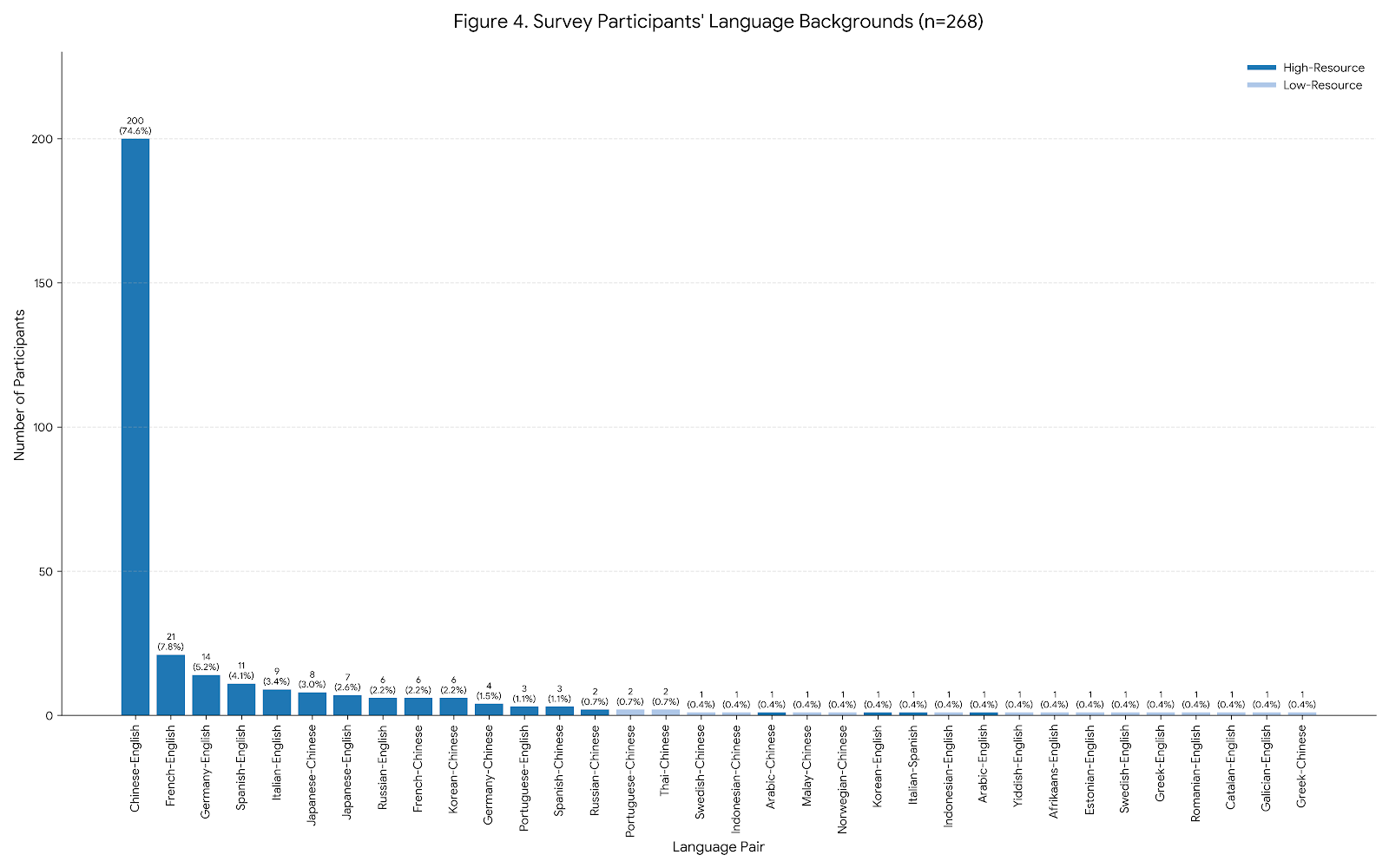
Figure 3. Survey respondents’ working languages
Missing data ranged from 2.2% (duration) to 9.8% (word count) and proved randomised via regression-based tests (Rouzinov & Berchtold, 2022), which were replaced using random forest imputation (Goretzko, 2022). Harman’s single-factor test indicated negligible common method bias, with the first factor accounting for 22.2% of total variance (Fuller et al., 2016).
Confirmatory factor analysis (Brown, 2015) was conducted using polychoric correlations and Maximum Likelihood Robust estimator via lavaan package (Rosseel, 2012) in R. Model fit was evaluated based on χ²/df<3, Comparative Fit Index (CFI) and Tucker-Lewis Index (TLI)>0.90, Root Mean Square Error of Approximation (RMSEA) and Standardised Root Mean Square Residual (SRMR)<0.08 (Hu & Bentler, 1998). After removing one poorly loading item “GenAI introduction reduces cognitive effort” (loading<0.5), the refined model demonstrated good fit: χ²/df=1.115, CFI=0.94, TLI=0.95, RMSEA=0.059, SRMR=0.058.
Construct validity and reliability were assessed using semTools package (Jorgensen et al., 2022). As Table 1 shows, all constructs exhibited sufficient composite reliability (0.843–0.902>0.7) and convergent validity (average variance extracted [AVE]=0.595–0.744>0.5). Discriminant validity was confirmed via the Fornell-Larcker criterion, whereby the square root of each construct’s AVE exceeded its inter-factor correlations (Cheung et al., 2024). Hypotheses were tested using PLS-SEM in SmartPLS4 (Ringle et al., 2024) with 5,000 resampling, a fixed random seed, and path weighting. A two-tailed significance threshold of p<0.10 was adopted, recommended for complex models with moderate samples (Zhao et al., 2010).
| Focal construct | Dimension | Indicator | Factor loading | Composite reliability | AVE |
|---|---|---|---|---|---|
| GenAI literacy | Awareness | Understand LLM based GenAI | 0.76 | 0.845 | 0.595 |
| Understand operational principles | 0.75 | ||||
| Differentiate GenAI from MT | 0.76 | ||||
| Know pros and cons of GenAI | 0.83 | ||||
| Application | Proficient usage | 0.84 | 0.902 | 0.669 | |
| Wide application | 0.87 | ||||
| Selection of GenAI tools | 0.83 | ||||
| Fine-tune skills | 0.81 | ||||
| Evaluation | Assess GenAI performance | 0.71 | 0.884 | 0.644 | |
| Judge accuracy and reliability | 0.82 | ||||
| Evaluate translation quality | 0.89 | ||||
| Identify/revise GenAI errors | 0.85 | ||||
| Ethics | Avoid legal risks | 0.84 | 0.897 | 0.744 | |
| Caution about data privacy | 0.90 | ||||
| Avoid ethical issues | 0.85 | ||||
| The impact of GenAI integration on professional identity | Job dissatisfaction | Undermine job satisfaction | 0.83 | 0.887 | 0.72 |
| Diminish achievement | 0.91 | ||||
| Increase turnover intention | 0.80 | ||||
| Under recognition | Devalue social importance | 0.83 | 0.843 | 0.639 | |
| Reduce skill/knowledge usage | 0.77 | ||||
| Limit development opportunities | 0.79 | ||||
| Status decline | Decrease client/employer respect | 0.75 | 0.887 | 0.660 | |
| Reduce passion for job | 0.76 | ||||
| Translation less valued by the society | 0.82 | ||||
| Lower the industry entry bar | 0.90 |
Table 1. Reliability and validity results
4. Results
This section incorporates qualitative and quantitative findings to address research questions. Section 4.1 combines interview data and open-ended survey responses to identify patterns of GenAI adoption (RQ1), while Sections 4.2 and 4.3 explore role reconfiguration, GenAI’s influence on professional identity, and coping strategies based on interview evidence (RQ2-RQ3). Finally, Section 4.4 presents PLS-SEM results from survey data, providing quantitative validations of GenAI’s impact.
4.1. GenAI use and avoidance
Among participants, ChatGPT was most widely adopted tool (76.1%), due to its early market entry, user familiarity, responsiveness, performance, accessibility, integration flexibility, and cost-effectiveness. Other frequently cited systems included DeepSeek (31%), Gemini (10.5%), and Claude (9.8%), alongside GenAI-enhanced search platforms such as Kimi, Copilot, Perplexity, Grok, and LeChat. Few interviewees reported using translation-specific models (e.g., ERNIE Bot, Qwen, iFLYTEK) or proprietary GenAI systems developed by clients or companies.
Productivity constituted the primary driver of GenAI adoption (77.7%), followed by improvements in grammatical and terminological accuracy (75.4%), stylistic refinement (50.4%), idiomaticity and fluency (41.4%). Many respondents (67.6%) valued GenAI as a source of inspiration during translation impasses. For instance, three game localisers highlighted its utility in rendering culture-specific concepts without compromising readability. Novice translators (<five years) particularly appreciated GenAI as a learning aid, while experienced professionals (≥ten years) underscored its potential for linguistic fine-tuning and knowledge expansion.
GenAI was commonly employed for terminology and cultural consultation (80.5%), drafting translations (83%), and revising human- or AI-generated translations (75.6%), yet its use for evaluative feedback on human translations was relatively limited (46.3%). This divide reflects scepticism among experienced and specialised translators regarding GenAI’s reliability for expertise-intensive tasks: two interviewees restricted GenAI to drafting translations for human post-editing in generic or straightforward texts such as user manuals. Some participants have extended GenAI usage to image-to-text conversion (26.8%) and CAT-tool functions, including terminology management (17.1%) and bilingual alignment (4.9%). Others minimised GenAI reliance due to concerns about mistranslation and hallucination: one interviewee used GenAI solely for gist summarisation, while another resorted to it only when search engines and printed dictionaries proved insufficient.
Qualitative accounts from non-users (n=84) and interviewees further illustrate situations that preclude GenAI utilisation. Confidentiality emerged as the foremost barrier, with translators bound by ethical codes or non-disclosure agreements, particularly in sensitive contexts involving political policies or business strategies. Two agency translators adopted GenAI only after secure local servers were installed, and five relied exclusively on client-mandated proprietary systems. Ethical considerations also featured prominently, especially among European translators, who cited environmental costs of LLM training and intellectual property risks. Additional deterrents included GenAI’s inefficiency in handling creative texts, complex formatting (e.g., subtitles, formulas), niche domains, and colloquial language (e.g., buzzwords).
4.2. Evolving roles and identities in GenAI-assisted translation
4.2.1. Trajectories of role transformation
Role changes varied according to prior experience with machine translation post-editing (MTPE) and the degree of GenAI integration. Although MTPE is well established, seven interviewees preferred translating from scratch due to quality concerns. Nevertheless, GenAI’s fluency, consistency, and stylistic versatility encouraged many translators to adopt post-editing workflows. Unlike traditional MTPE, GenAI-augmented processes afford greater autonomy, enabling translators to design skopos-oriented drafts through prompt engineering and iterative refinement. Consequently, these participants described roles evolving toward fact-checking, post-editing, reviewing, quality control, supervision, project management, and prompt design.
Translators with MTPE experience reported fewer role changes but greater efficiency gains compared to those without prior exposure. Approximately half found GenAI output easier to revise than traditional MT, and one translator expanded his language pairs by transitioning to GenAI post-editing. Heavy users have assumed new responsibilities such as model selection, prompt formulation, and system training. Five participants described near-complete integration of GenAI throughout translation workflows. Notably, one game localisation manager implemented a fully automated pipeline in which GenAI drafts, reviews, and revises translations per company protocols. By contrast, those employing GenAI merely for reference or search purposes experienced negligible role changes.
4.2.2. Identity stability, erosion, and redefinition
GenAI’s impact on professional identity revealed three patterns. The majority (63.4%) reported minimal disruption, especially those with MTPE experience or those confining GenAI usage to low-stakes tasks such as drafting, consultation, or grammatical correction. Among them, 54% maintained confidence in human superiority despite GenAI’s growing workload contribution, and 65% viewed GenAI as productivity-enhancing tools that lack emotional sensitivity, cultural nuance, and contextual judgment. Some safeguarded professional identity by reserving GenAI for routine or low-budget tasks, while others delineated clear boundaries by refusing intellectual credit for GenAI-generated content.
A minority (24.3%) experienced identity erosion, spanning novices (<five years), mid-career (five to ten years), and veteran (>20 years) translators. They perceived GenAI’s fluent and idiomatic output as undermining skill application, self-efficacy, professional pride, and social recognition. Although immediate job-loss threats were not reported, experienced translators voiced concerns that GenAI overreliance may hinder professional growth and accelerate technological evolution to the point of human redundancy.
The remaining 12.2% advocated for identity redefinition, emphasising GenAI literacy as central to contemporary professionalism. One company translator conceptualised translation as a supplementary function, valuable primarily when integrated with other industries. GenAI's emergence reinforced this perspective, prompting him to cultivate a multifaceted identity as a linguist specialised in finance.
4.2.3. Shifts in self-projection and social perception
As Figure 4 shows, translators commonly described themselves as “cross-cultural mediators”, “linguists”, “translators proper”, “negotiators”, “language service providers”, “author representatives”, “message conveyors”, “content producers”, “hubs”, “localisers”, “decoders”, and “transcribers” prior to GenAI adoption. Regular MTPE practitioners also identified as “reviewers” and “quality controllers”. These self-conceptions foregrounded translators’ intermediary function and intensive cognitive labour, often expressed through metaphors such as “production team donkeys” and “unmedicated ADHD patients”.
Following GenAI integration, 48.8% retained their previous self-conceptions, while 10% reported an enhanced self-image, adopting descriptors such as “translators with wings”, “cross-cultural bridges with broader influence”, “impartial language service providers”, or “an entire team rolled into one”. Three seasoned translators noted that GenAI helps mitigate personal biases, emotional disturbances, and knowledge deficiencies, thereby reinforcing their sense of professionalism. Among the 51.2% who reported altered self-perceptions, positive framing predominated. Translators repositioned themselves as “supervisors”, “gatekeepers”, “language engineers”, or “word surgeons”, reflecting a shift from mechanical roles toward more intricate, value-added responsibilities. Conversely, novices more frequently felt marginalised, describing themselves as “brick carriers”, “scapegoats”, “MT users”, or “word babysitters”, suggesting that skill underutilisation disproportionately erodes early-stage professional identity.
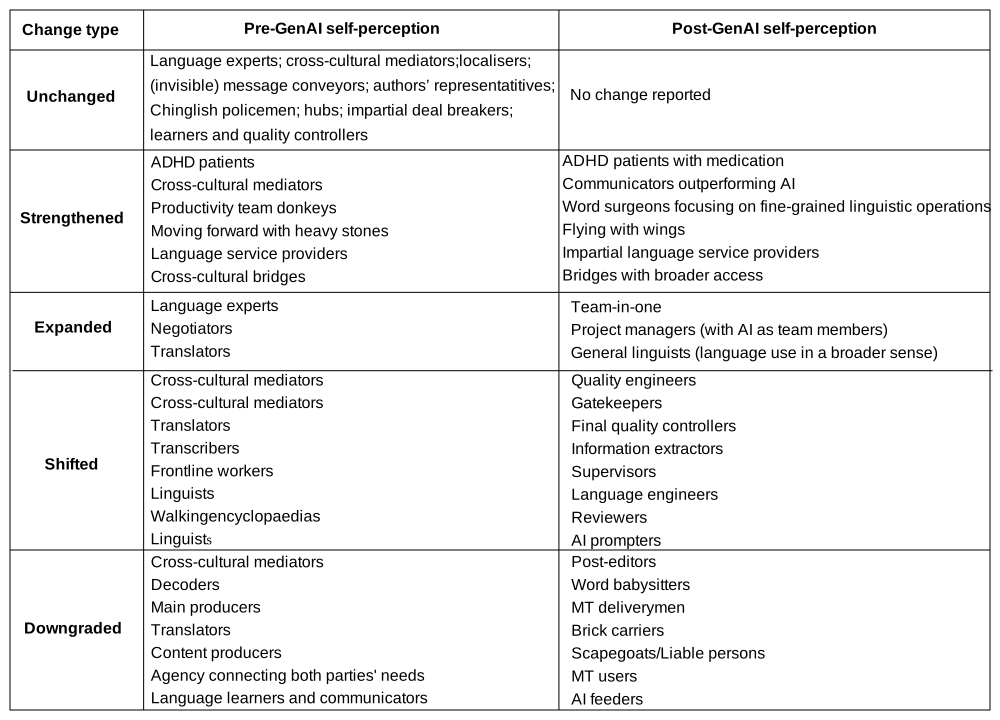
Figure 4. Translators’ self-perceptions before and after GenAI adoption
Changes in social recognition were assessed through direct indicators (client and employer attitudes) and indirect ones (task requirements, pricing, workload). 61% interviewees reported stable external expectations, and 46.3% observed no change in task specifications. Identity stability was most pronounced among those serving laypersons indifferent to GenAI’s impact (54%), those offering additional services (8.3%), and those working with researchers and agencies that prioritise quality (14.6%). Conversely, non-translation sectors exhibited marked devaluation: one pharmaceutical company considered replacing human translators with AI, a financial institution actively promoted AI-driven translation, and a state-owned enterprise assigned translators to secretarial duties. One internet giant even dissolved its translation department entirely in favour of automation. Freelancers reported mixed experiences: lay clients often assumed GenAI could supplant translators; translation agencies maintained cautious neutrality; and academic clients increasingly valued linguists for rectifying GenAI-induced errors.
Economic pressures were also evident. 51.2% noted declining rates, tighter deadlines, and reduced workloads — effects perceived as more severe than those associated with earlier MT adoption. Freelancers were frequently assigned GenAI post-editing at discounted rates, and part-timers faced price negotiations predicated on AI-enhanced efficiency. One participant recounted a client’s request for disclosure of GenAI use, which resulted in reduced remuneration. Overall, 36.6% expressed concerns about marginalisation, citing intensified competition from unqualified entrants supported by GenAI, pressure to diversify into ancillary roles, client scepticism regarding human value, and inadequate compensation. Alarmingly, one game localiser had his creative work misattributed to GenAI, illustrating a profound erosion of professional recognition.
4.3. Strategic responses to GenAI-related challenges
In response to abovementioned challenges, most translators adopted proactive strategies. 63.4% sought to enhance GenAI literacy, presuming GenAI-savvy peers as main competitors rather than the technology itself. These efforts included developing prompt engineering skills, refining error identification techniques, cultivating nuanced awareness of GenAI’s strengths and limitations, and designing automated workflows. 56.1% invested in strengthening uniquely human capabilities — linguistic precision, cultural insight, and subject-matter expertise — to position themselves as interdisciplinary professionals. Generalists, such as book translators, emphasised mastery of authorial voice and contextual subtleties to ensure faithful representation. Alternatively, 18.3% redefined their roles as AI engineers, transcreators, or project managers, highlighting contributions beyond basic linguistic transfer. Part-timers exhibited a particular tendency to embrace hybrid identities rather than restrict themselves to translators. Only 22% attempted to educate the public on GenAI’s limitations, implying a widespread recognition of the unbridgeable knowledge gap between linguists and laypersons.
4.4. Quantitative patterns of GenAI impact on professional identity
Given non-normal distributions (|kurtosis|>1; Forero et al., 2009), Spearman’s correlations and non-parametric tests (Kruskal-Wallis and Mann-Whitney U tests) were employed to examine associations among translators’ demographics, GenAI use, perceptions, and identity effects.
Among demographic variables, only gender and employment type showed significant relationships with GenAI adoption. Females reported relatively limited application of GenAI to complex tasks (x2=5.88, p<0.05), echoing prior findings among Portuguese translators (Tavares et al., 2023). This pattern corresponded with their less GenAI experience (x2=4.06, p<0.05) and lower GenAI literacy (x2=7.32, p<0.01) than males. In-house translators used GenAI more frequently than freelancers (x2=4.4, p<0.05), reflecting institutional enthusiasm for technological integration noted in previous literature (Jiménez-Andrés & Ibrahim, 2025).
As Figure 5 shows, GenAI literacy correlated positively with GenAI use duration (ρ=0.25, p<0.01), frequency (ρ=0.39, p<0.01), application to simple (ρ=0.35, p<0.01) and complex tasks (ρ=0.35, p<0.01), workload contribution (ρ=0.29, p<0.01) and value contribution (ρ=0.23, p<0.01). These findings suggest that translators high in GenAI literacy not only rely more on GenAI but also express greater appreciation of its contributions. Conversely, GenAI literacy correlated negatively with GenAI-induced job dissatisfaction (ρ=-0.25, p<0.01) and recognition decline (ρ=-0.12, p<0.05), indicating that GenAI literacy mitigates identity-related strain. Reliance on GenAI for simple tasks also correlated negatively with job dissatisfaction (ρ=-0.13, p<0.05), suggesting that delegating routine work to GenAI may alleviate dissatisfaction associated with GenAI integration.
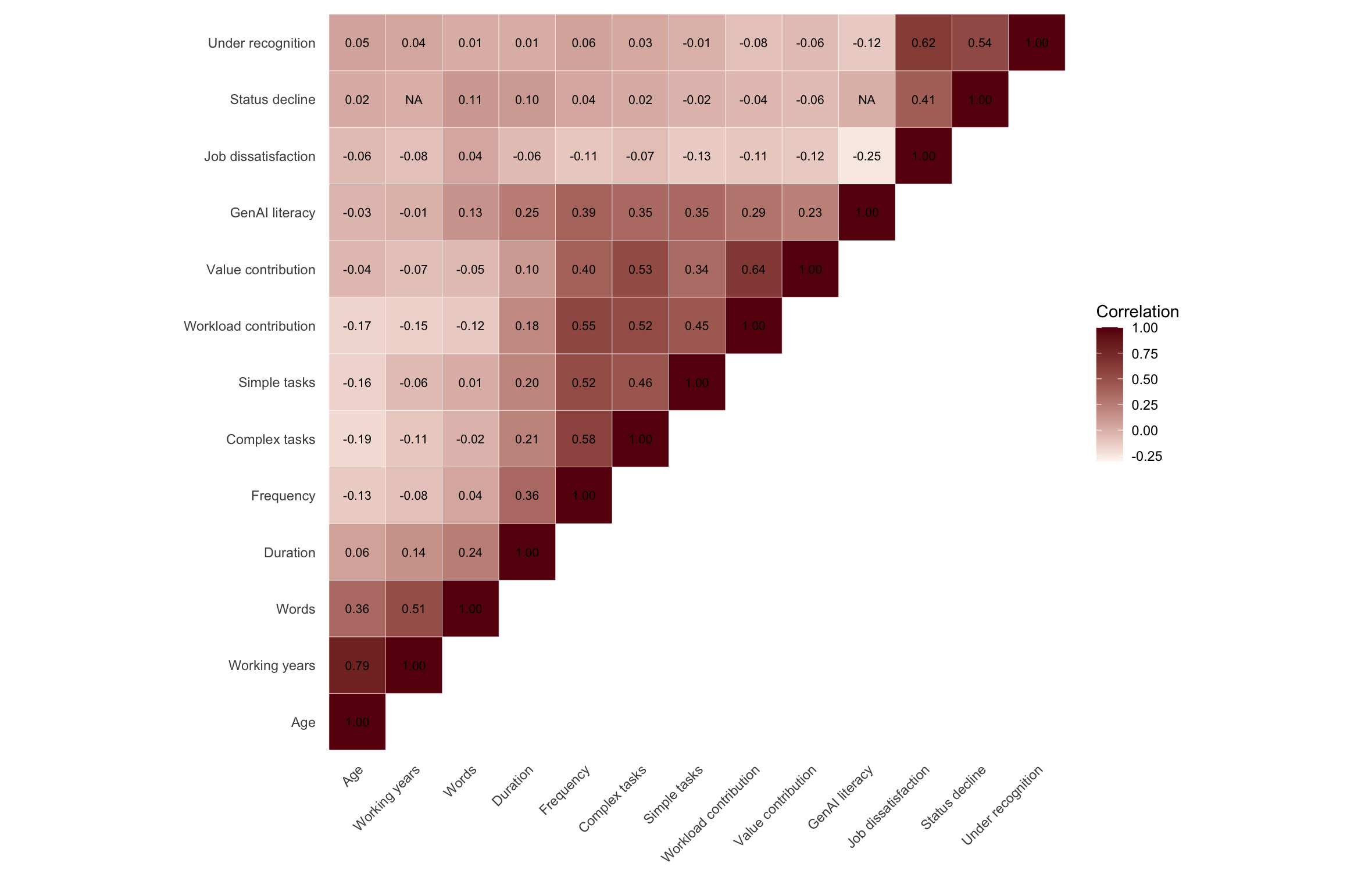
Note. GenAI literacy, job dissatisfaction, under recognition, and status decline were calculated as the mean of their indicators.
Figure 5. Correlation matrix heatmap
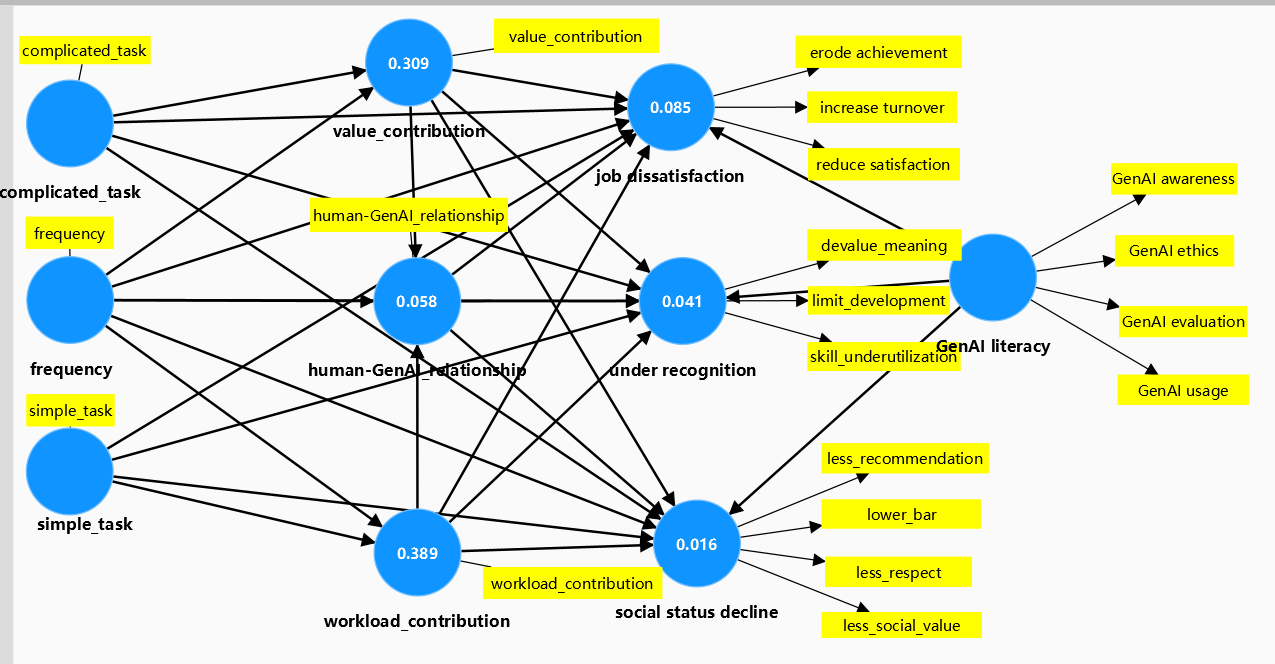
Note. Figures in circles are R squares. Human-GenAI relationships were dummy-coded: 0=GenAI as an assistant, 1=GenAI as a collaborator, 2=GenAI as a mentor.
Figure 6. PLS-SEM model
The PLS-SEM model (Figure 6) explained 8.5% of variance in GenAI-induced job dissatisfaction, 4.1% in recognition decline, and 1.6% in status marginalisation, demonstrating modest explanatory power for identity-related outcomes (Hair et al., 2021). Comparatively, GenAI adoption variables appeared more predictive of GenAI perceptions, which explain 30.8% of variance in value contribution and 38.9% in workload contribution.
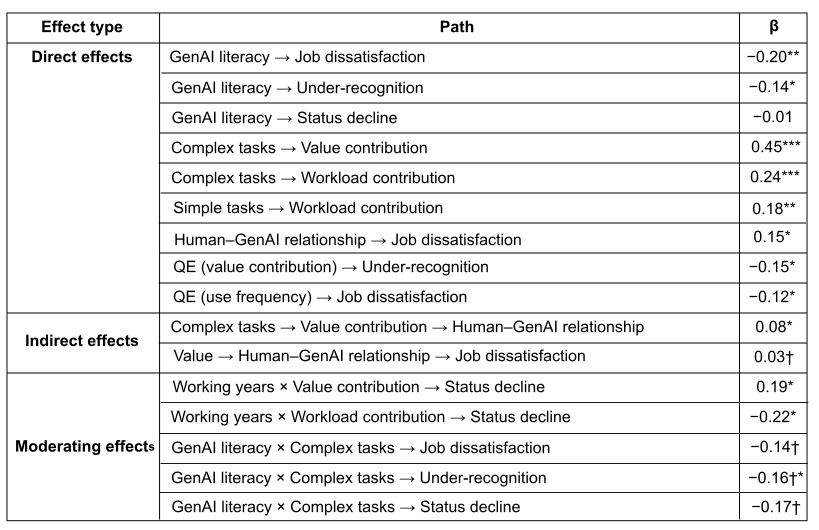
Note. β=standardised path coefficient. QE=quadratic effect. †p<0.10, *p<0.05, **p<0.01, ***p<0.001.
Table 2. PLS-SEM results
Table 2 summarises the direct, indirect, and moderating effects. H1 was partially validated. GenAI application to complex tasks increased value contribution (β=0.45, p<0.001), while deployment for simple tasks improved workload contribution (β=0.18, p<0.01). Unexpectedly, the relationship between value contribution and under-recognition was non-linear (βQE(value_contribution)->under-recognition=-0.15, p<0.05): as GenAI’s value increases, translators initially experience competence underutilisation but gradually adopt GenAI-enhanced identities with new responsibilities.
H2 received partial support. GenAI use for complex tasks indirectly fostered perceptions of GenAI as a collaborator through increasing their value contribution (β=0.08, p<0.05). Such framing of GenAI with human-comparable values further lowers translators’ job satisfaction (β=0.15, p<0.1).
H3 was affirmed. GenAI use frequency exhibited an inverted-U-shaped relationship with job dissatisfaction (β=-0.12, p<0.05): frequent use initially undermines task enjoyment but ultimately enables translators to appreciate human-GenAI collaboration.
H4 was substantiated. GenAI literacy directly reduced job dissatisfaction (β=-0.20, p<0.01) and perceived status decline (β=-0.14, p<0.05). It also moderated the effects of GenAI reliance for complex tasks: translators with higher GenAI literacy reported lower levels of job dissatisfaction (β=-0.14, p<0.1), under-recognition (β=-0.16, p<0.05), and status decline (β=-0.17, p<0.1), even when GenAI was applied to complex tasks.
H5 was partially supported, with translation experience serving as a dual-effect moderator. More experienced translators perceived less status threat from GenAI’s growing workload contribution (βworking years x workload contribution->social status=-0.22, p<0.05), yet heightened concerns about its increasing value contribution (βworking years x value contribution->social status=0.19, p<0.05), reflecting a tension between efficiency gains and perceived erosion of professional distinctiveness.
5. Discussion
Grounded in professional identity theory, this study examined how GenAI adoption among translators working between English and Chinese shapes their evolving roles and professional identity. Interview and survey data indicated generally optimistic attitudes toward GenAI integration, characterised by diverse and regular employments. Although apprehensions regarding confidentiality, ethics, and performance reliability continue to hinder full-scale adoption, findings suggest a gradual normalisation of GenAI in professional translation, extending earlier observations of tentative acceptance (Farrell, 2022; Rivas Ginel & Moorkens, 2024). This transformation appears closely linked to high GenAI literacy within the current sample, which enables well-informed evaluations of GenAI affordances and limitations, thereby fostering more calibrated and sustained reliance.
GenAI embedment in translation workflows has catalysed role transformation. Participants increasingly identified as revisers of GenAI output, quality gatekeepers, and project managers with expanded responsibilities such as AI supervision. Heavy users pioneered multi-agent automation systems, cultivating hybrid identities as prompt engineers or GenAI trainers. This metamorphosis fulfils predictions about translators’ evolution into MT literacy consultants (Ehrensberger-Dow et al., 2023) and language engineers (Briva-Iglesias & O’Brien, 2022), reinforcing the calls to foreground GenAI literacy in translator training (Inglada, 2026). Meanwhile, interviewees’ prevailing self-portrayal as language-centred, technology-enhanced cross-cultural mediators constitutes a tacit rebuttal to public narratives suggesting that GenAI or GenAI-empowered laypersons can substitute for professional translators (Mahmoud et al., 2025). This stance underscores linguistic expertise as a critical safeguard against inflated assumptions about technological capability.
Qualitative findings reveal ambivalent effects of GenAI adoption on professional identity, shaped by both translation experience and GenAI literacy. Positively, participants widely acknowledged GenAI’s contribution to productivity and quality enhancement (Martikainen et al., 2025; Yin, 2024), promoting a paradigm that AI amplifies rather than substitutes human expertise (O'Brien, 2024). Negatively, GenAI reliance can restrict skill deployment (Chen, 2024), diminish novices’ self-efficacy (Özmat & Akkoyunlu, 2024), and destruct experienced translators’ sense of accomplishment, meaning, and satisfaction (Girletti, 2024). These tensions exacerbate the already precarious status of translators (Dam & Ruokonen, 2024) and complicate efforts to secure social recognition. Experienced translators, while resistant to extensive GenAI applications, demonstrated resilience to automation pressures, an emotional complexity noted in prior studies (Farrell, 2024; Sakamoto et al., 2024). This resilience appears a combined influence of translation self-efficacy and GenAI literacy. Experienced translators with limited literacy often relegated GenAI to basic consultation, whereas those with advanced literacy integrated GenAI strategically to preserve their interpretive, cultural, and contextual authority. Nonetheless, even technically adept experts harbour long-term misgivings regarding displacement and devaluation, echoing warnings raised by literary translators who are traditionally less exposed to automation anxiety (CEATL, 2024).
PLS-SEM results support these dynamics. Routine GenAI usage primarily alleviates workload and reinforces perceptions of GenAI as an assistant, whereas GenAI applications to complex tasks erode professional identity by framing GenAI as collaborators or even mentors. Experience levels shape threat perception asymmetrically: novices are more sensitive to workload-related changes, while experienced translators are more attuned to shifts in value attribution. Combined with trainees’ limited capacity to assess GenAI output (Calvo-Ferrer, 2024), these patterns substantiate concerns about premature or excessive reliance on GenAI among developing translators (Tian & Deng, 2025).
Consistent with professional identity theory, job satisfaction and identity stability can be restored when GenAI-mediated roles are reframed as higher-order, autonomous, and developmental. GenAI literacy functions as a central enabler during this process, mitigating negative impacts and facilitating constructive identity renegotiation. Declining social status, however, appears largely decoupled from GenAI usage or literacy levels. Interview evidence suggests that this arises instead from structural and relational factors, including long-standing occupational marginalisation (Dam & Ruokonen, 2024) and heterogenous attitudes among researchers, translation institutions, and lay clients.
6. Conclusion
This study extends professional identity theory to the language industry increasingly reshaped by GenAI. Employing translator-specific measures and a mixed-methods design, the findings confirm the detrimental consequences of GenAI overreliance, with GenAI literacy and translation experience acting as key moderators. Qualitative evidence further illuminates translators’ evolving roles within GenAI-assisted workflows, alongside strategies for identity preservation or reconstruction.
Theoretically, this study demonstrates the viability of enmeshing GenAI literacy into translators' professional profiles, which upgrades skillsets and rectifies disillusions about GenAI-driven replacement. It validates the mediation of human-GenAI relationships between GenAI usage and professional identity, underscoring self-perception as a mechanism of identity (re)construction. The dual moderation of translation experience challenges stereotypes about veterans’ imperviousness to GenAI influences, revealing rather their more discerning evaluations of GenAI’s risks and benefits. These findings reinforce professional identity theory by illustrating how technological disruption can prompt identity expansion and by highlighting the importance of role reinterpretation for identity resilience.
Practically, the results caution against GenAI deployment in tasks requiring creativity, interpretive judgment, and deductive reasoning. They underscore the need to strengthen linguistic proficiency, GenAI literacy, and hybrid professional identities to counteract technological encroachment. Translator training curricula should therefore combine linguistic proficiency with contextual adaptability and technological fluency, equipping trainees to sustain comparative advantages over automated systems. For clients and employers, the findings advocate human-centred approaches to GenAI integration that account for differential impacts across experience levels and task complexity.
Despite these contributions, several limitations warrant acknowledgement. First, the cross-sectional design and reliance on self-reports constrain causal inference. Future research would benefit from experimental or longitudinal paradigms to examine GenAI’s long-term effects on translators’ cognitive processes and psychological well-being, particularly given interventional results that premature AI assistance can generate cognitive debt and declined ownership in comparable contexts such as essay writing (Kosmyna et al., 2025). Second, the modest sample size may limit generalisability, especially regarding GenAI non-adopters who failed to complete survey items on GenAI-induced identity change. This cohort merits targeted investigation through in-depth qualitative approaches for understanding more passive forms of identity preservation. Third, although professional identity theory conceptualises identity dynamics as broadly applicable, emerging evidence suggests that freelance and institutional translators may experience GenAI integration in distinctive ways (Jiménez-Andrés & Ibrahim, 2025), indicating employment type as a potential moderator. However, given the limited sample size, our quantitative analyses did not differentiate outcomes across professional profiles. Future research should therefore examine more homogenous groups or recruit larger participant pools to illuminate the diversity of translators’ responses. Moreover, survey results revealed females’ greater hesitation in applying GenAI to complex tasks. Because the interview sample was gender-imbalanced (female: male = 17:24), female adoption patterns may be underrepresented in addressing RQ1. Finally, the mediocre explanatory power of PLS-SEM models implies the omission of influential predictors. Subsequent research should explore additional factors such as AI identity — the extent to which AI use is internalised as part of self — which has been theorised to shape responses toward AI integration (Carter & Grover, 2015).
Acknowledgements
The authors are grateful to the translators who voluntarily participate in this research. We are also appreciative of reviewers and editors’ detailed and instructive feedback, which has greatly enhanced the quality of this article.
References
Al Mudarra, A. (2025). The future of human translators in the era of artificial intelligence translation technologies. Journal of Language Teaching and Research, 16(4), 1213-1224. https://doi.org/10.17507/jltr.1604.16
Alkodimi, K. A., Alqahtani, O. A., & Al-Wasy, B. Q. (2024). Human-AI collaboration in translation and back translation of literary texts. Journal of Social Studies, 30(2), 173-192. https://doi.org/10.20428/jss.v30i2.2404
Ameri, S. (2024). AI-induced emotions: A translator vulnerability perspective. Journal of Cognition, Emotion, and Education, 2(1), 16-28. https://doi.org/10.22034/cee.2024.435751.1016
Andrade Preciado, J., Ramírez, H., & Real, C. (2025). Integración de ChatGPT en la Traducción y Posedición de Textos Especializados: Estudio sobre su Aplicación. LatIA, 3, 129. https://doi.org/10.62486/latia2025129
Ashforth, B. E., & Schinoff, B. S. (2016). Identity under construction: How individuals come to define themselves in organizations. Annual Review of Organizational Psychology and Organizational Behavior, 3(1), 111-137. https://doi.org/10.1146/annurev-orgpsych-041015-062322
Briva-Iglesias, V., Dogru, G., & Cavalheiro Camargo, J. L. (2024). Large language models ‘ad referendum’: How good are they at machine translation in the legal domain? MonTI, 16, 75-107. https://doi.org/10.6035/MonTI.2024.16.02
Briva-Iglesias, V., & O’Brien, S. (2022). The language engineer: A transversal, emerging role for the automation age. Quaderns de Filologia, 27, 17-48. https://doi.org/10.7203/qf.0.24622
Brown, T. A. (2015). Confirmatory factor analysis for applied research (2nd ed.). Guilford Press.
Calvo-Ferrer, J. R. (2024). Can you tell the difference? A study of human vs machine-translated subtitles. Perspectives, 32(6), 1115-1132. https://doi.org/10.1080/0907676X.2023.2268149
Carter, M., & Grover, V. (2015). Me, myself, and I(T): Conceptualizing information technology identity and its implications. MIS Quarterly, 39(4), 931-957. https://doi.org/10.25300/misq/2015/39.4.9
CEATL (Conseil Européen des Associations de Traducteurs Littéraires). (2024, April). AI survey for individual literary translators. https://www.ceatl.eu/wp-content/uploads/2024/04/CEATL_AI_survey_for_members.pdf
Chen, P. (2024). The impact of Generative AI on the role of translators and its implications for translation education. Education Insights, 1(2), 24–33. https://doi.org/10.70088/kc9vk395
Cheung, G., Cooper-Thomas, H. D., Lau, R. S., & Wang, L. (2024). Reporting reliability, convergent and discriminant validity with structural equation modeling: A review and best-practice recommendations. Asia Pacific Journal of Management, 41(2), 745-783. https://doi.org/10.1007/s10490-023-09871-y
Chreim, S., Williams, B. E., & Hinings, C. R. (2007). Interlevel influences on the reconstruction of professional role identity. Academy of Management Journal, 50(6), 1515-1539. https://doi.org/10.5465/amj.2007.28226248
Craig, K., Thatcher, J. B., & Grover, V. (2019). The IT identity threat: A conceptual definition and operational measure. Journal of Management Information Systems, 36(1), 259-288. https://doi.org/10.1080/07421222.2018.1550561
Cypress, B. S. (2017). Rigor or reliability and validity in qualitative research: Perspectives, strategies, reconceptualization, and recommendations. Dimensions of Critical Care Nursing, 36(4), 253. https://doi.org/10.1097/DCC.0000000000000253
Daems, J. (2022). Dutch literary translators’ use and perceived usefulness of technology. In J. L. Hadley, K. Taivalkoski-Shilov, C. Teixeira, & A. Toral (Eds.), Using technologies for creative-text translation (pp. 40–65). Routledge. https://doi.org/10.4324/9781003094159
Dam H. V., & Ruokonen, M. (2024). Bringing in the translators' views on their (in)visibility: The forms and significance of visibility in research on translator status. In P. J. Freeth & R. Treviño (Eds.). Beyond the translator’s invisibility: Critical reflections and new perspectives (pp. 73-93). Leuven University Press. https://doi.org/10.11116/9789461667304
do Carmo, F. do, Ramos, J., & Teixeira, C. (2024). Human-computer interaction in translation and interpreting: Software and applications. Tradumàtica Tecnologies de La Traducció, 22, 181-186. https://doi.org/10.5565/rev/tradumatica.465
Ehrensberger-Dow, M., Delorme Benites, A., & Lehr, C. (2023). A new role for translators and trainers: MT literacy consultants. The Interpreter and Translator Trainer, 17(3), 393-411. https://doi.org/10.1080/1750399X.2023.2237328
Farrell, M. (2022). Do translators use machine translation, and if so, how? Results of a survey held among professional translators. In J. Moorkens & V. Sosoni (Eds.), Proceedings of translating and the computer 44 (pp. 49‑60). AsLing. https://doi.org/10.13140/RG.2.2.33996.69768
Farrell, M. (2024). Survey on the use of generative artificial intelligence by professional translators. In J. Esteves-Ferreira, A. Haddad Haddad, V. Sosoni, & O.-M. Stefanov (Eds.), Proceedings of translating and the computer 46 (pp. 23-34). AsLing. https://doi.org/10.13140/RG.2.2.32823.02727
Forero, C. G., Maydeu-Olivares, A., & Gallardo-Pujol, D. (2009). Factor analysis with ordinal indicators: A monte carlo study comparing DWLS and ULS estimation. Structural Equation Modeling, 16, 625–641. https://doi.org/10.1080/10705510903203573
Fu, L. & Liu, L. (2024). What are the differences? A comparative study of generative artificial intelligence translation and human translation of scientific texts. Humanities and Social Sciences Communications, 11, Article 1236. https://doi.org/10.1057/s41599-024-03726-7
Fuller, C. M., Simmering, M. J., Atinc, G., Atinc, Y., & Babin, B. J. (2016). Common methods variance detection in business research. Journal of Business Research, 69(8), 3192-3198. https://doi.org/10.1016/j.jbusres.2015.12.008
Gene, V., Sosoni, V., Do Campo Bayón, M., Charalampidou, P., & Sánchez-Gijón, P. (2024). Exploring students’ experience with CAT-integrated MT and GenAI: Translating creative texts in bureau work. In C. Oråsan, T. Ranasinghe, G. Corpas Pastor, R. Mitkov, M. Kunilovskaya, V. Sosoni, & M. Escribe (Eds.), Proceedings of New Trends in Translation and Technology Conference 2024 (pp. 76-90). Incoma Ltd. https://doi.org/10.26615/issn.2815-4711.2024_007
Gillespie, N., Lockey, S., Ward, T., Macdade, A., & Hassed, G. (2025). Trust, attitudes and use of artificial intelligence: A global study 2025. The University of Melbourne and KPMG. https://doi.org/10.26188/28822919
Ginovart Cid, C., Colominas, C., & Oliver, A. (2020). Language industry views on the profile of the post-editor. Translation Spaces, 9(2), 283-313. http://doi:10.1075/ts.19010.cid.
Girletti, S. (2024). Beyond the assembly line: Exploring salaried linguists’ satisfaction with translation, revision, and PE tasks. Revista Tradumàtica. Tradumàtica Tecnologies de La Traducció, 22, 207-237. https://doi.org/10.5565/rev/tradumatica.402
Goretzko, D. (2022). Factor retention in exploratory factor analysis with missing data. Educational and Psychological Measurement, 82(3), 444-464. https://doi.org/10.1177/00131644211022031
Goto, M. (2021). Collective professional role identity in the age of artificial intelligence. Journal of Professions and Organization, 8(1), 86–107. https://doi.org/10.1093/jpo/joab003
Hair, J. F., Hult, G. T. M., Ringle, C. M., Sarstedt, M., Danks, N. P., & Ray, S. (2021). Partial Least Squares Structural Equation Modeling using R: A workbook. Springer. https://doi.org/10.1007/978-3-030-80519-7
Hendy, A., Abdelrehim, M., Sharaf, A., Raunak, V., Gabr, M., Matsushita, H., Kim, Y. J., Afify, M., & Awadalla, H. H. (2023). How good are GPT models at machine translation? A comprehensive evaluation. arXiv. https://doi.org/10.48550/arXiv.2302.09210
Herbert, S., do Carmo, F., Gough, J., & Carnegie-Brown, A. (2023). From responsibilities to responsibility: A study of the effects of translation workflow automation. The Journal of Specialised Translation, 40, 9-35. https://doi.org/10.26034/cm.jostrans.2023.523
Hu, L., & Bentler, P. M. (1998). Fit indices in covariance structure modeling: Sensitivity to underparameterized model misspecification. Psychological Methods, 3(4), 424-453. https://doi.org/10.1037/1082-989X.3.4.424
Inglada, R. (2026). AI literacy: The concept of suitability and core translation skills. In J.C. Penet, J. Moorkens, & M. Yamda (Eds.). Teaching translation in the age of generative AI: New paradigm, new learning? (pp. 49–64). Language Science Press. https://doi.org/10.5281/zenodo.17641068
Jiménez-Crespo, M. Á. (2023). Augmentation and translation crowdsourcing: Are collaborative translators’ minds truly “augmented”? Translation, Cognition & Behavior, 7(2), 291-310. https://doi.org/10.1075/tcb.00079.jim
Jiménez-Crespo, M. Á. (2024). Exploring professional translators’ attitudes towards control and autonomy in the human-centred AI era: Quantitative results from a survey study. Revista Tradumàtica. Tradumàtica Tecnologies de La Traducció, 22, 276-301. https://doi.org/10.5565/rev/tradumatica.400
Jiménez-Andrés, M., & Ibrahim, A. (2025). Human-centered AI: Do language service providers and freelancers speak the same language? INContext, 5(1), 42-65. https://doi.org/10.54754/incontext.v5i1.117
Jorgensen, T. D., Pornprasertmanit, S., Schoemann, A. M., & Rosseel, Y. (2022). semTools: Useful tools for structural equation modeling (R package version 0.5-6) [Computer software]. https://cran.r-project.org/web/packages/semTools/index.html
Kirov, V., & Malamin, B. (2022). Are translators afraid of artificial intelligence? Societies, 12(2), 70. https://doi.org/10.3390/soc12020070
Kornacki, M., & Pietrzak, P. (2024). Hybrid workflows in translation: Integrating GenAI into translator training. Routledge. https://doi.org/10.4324/9781003521822
Kosmyna, N., Hauptmann, E., Yuan, Y., Situ, J., Liao, X., Beresnitzky, A. V., Braunstein, I., & Maes, P. (2025). Your brain on ChatGPT: Accumulation of cognitive debt when using an AI assistant for essay writing task. arXiv. https://doi.org/10.48550/arXiv.2506.08872
Krüger, R. (2023). Artificial intelligence literacy for the language industry – with particular emphasis on recent large language models such as GPT-4. Lebende Sprachen, 68(2), 283-330. https://doi.org/10.1515/les-2023-0024
Kruk, M., & Kałużna, A. (2025). Investigating the role of AI tools in enhancing translation skills, emotional experiences, and motivation in L2 learning. European Journal of Education, 60(1), e12859. https://doi.org/10.1111/ejed.12859
LeBlanc, M. (2017). ‘I can’t get no satisfaction!’ Should we blame translation technologies or shifting business practices? In K., Dorothy (Ed.), Human issues in translation technology (pp.45-62). Routledge.
Lee, T. (2024). Artificial intelligence and posthumanist translation: ChatGPT versus the translator. Applied Linguistics Review, 15(6), 2351–2372. https://doi.org/10.1515/applirev-2023-0122
Li, B. (2023). Ethical issues for literary translation in the era of artificial intelligence. Babel, 69(4), 529-545. https://doi.org/10.1075/babel.00334.li
Li, Q. (2024). Bridging languages: The potential and limitations of AI in literary translation - A case study of the English translation of A Pair of Peacocks Southeast Fly. Advances in Humanities Research, 8, 1-7. https://doi.org/10.54254/2753-7080/8/2024091
Łukasik, M. (2024). The future of the translation profession in the era of artificial intelligence. Survey results from Polish translators, translation trainers, and students of translation. Lublin Studies in Modern Languages and Literature, 48(3), 25-39. https://doi.org/10.17951/lsmll.2024.48.3.25-39
Long, D., & Magerko, B. (2020). What is AI literacy? Competencies and design considerations. In R. Bernhaupt, F. Mueller, D. Verweij, & J. Andres (Eds.), CHI’20: CHI conference on human factors in computing systems (pp.1-16). Association for Computing Machinery. https://doi.org/10.1145/3313831.3376727
Ma, S., & Chen, Z. (2024). The development and validation of the artificial intelligence literacy scale for Chinese college students. IEEE Access, 12, 146419-146429. https://doi.org/10.1109/ACCESS.2024.3468378
Mahmoud, A. B., Kumar, V., & Spyropoulou, S. (2025). Identifying the public’s beliefs about generative Artificial Intelligence: A big data approach. IEEE Transactions on Engineering Management, 72, 827-841. https://doi.org/10.1109/TEM.2025.3534088
Marshall, B., Cardon, P., Poddar, A., & Fontenot, R. (2013). Does sample size matter in qualitative research: A review of qualitative interviews in research. Journal of Computer Information Systems, 54(1), 11-22. https://doi.org/10.1080/08874417.2013.11645667
Martikainen, M., Smolander, K., Sanmark, J., & Sanmark, E. (2025). Evaluation of generative artificial intelligence implementation impacts in social and health care language translation: Mixed methods case study. JMIR Formative Research, 9 (1), e73658. http://doi.org/10.2196/73658
Massey, G., & Ehrensberger-Dow, M. (2026). Translation competence in the age of generative AI: Debates, dilemmas, directions. In J. C. Penet, J. Moorkens, & M. Yamada (Eds.), Teaching translation in the age of generative AI: New paradigm, new learning? (pp. 3–26). Language Science Press. https://doi.org/10.5281/zenodo.17641064
Metwally, A., Bin-Hady, W., & Asiri, E. (2024). Assessing AI-powered translation quality: Insights from the translation of the Farewell Sermon. International Journal of Language Education, 8, 2548-8465. https://doi.org/10.26858/ijole.v8i4.70034
Moorkens, J. (2020). “A tiny cog in a large machine”: Digital Taylorism in the translation industry. Translation Spaces, 9(1), 12–34. https://doi.org/10.1075/ts.00019.moo
Nkomoki, T., El Attari, A., & Nkomoki, F. (2024). The perception and utilization of AI-powered language translation tools for communication among international students. International Journal of Research and Innovation in Social Science, 8(7), 2115-2126. https://doi.org/10.47772/IJRISS.2024.8120178
Nelson, A. J., & Irwin, J. (2014). ‘Defining what we do—All over again’: Occupational identity, technological change, and the librarian/internet-search relationship. The Academy of Management Journal, 57(3), 892-928. https://doi.org/10.5465/amj.2012.0201
O’Brien, S. (2024). Human-centered augmented translation: Against antagonistic dualisms. Perspectives, 32(3), 391-406. https://doi.org/10.1080/0907676X.2023.2247423
Özmat, D., & Akkoyunlu, B. (2024). Artificial intelligence-assisted translation in education: Academic perspectives and student approaches. Participatory Educational Research, 11, 151-167. https://doi.org/10.17275/per.24.99.11.6
Paulsen Christensen, T., Bundgaard, K., & Flanagan, M. (2024). Psychological consequences of the digital transformation of the translation industry: An exploratory study of technostress among Danish certified translators. Revista Tradumàtica. Tradumàtica Tecnologies de La Traducció, 22, 187-206. https://doi.org/10.5565/rev/tradumatica.366
Petriglieri, J. (2011). Under threat: Responses to and the consequences of threats to individuals’ identities. Academy of Management Review, 36(4), 641-662. https://doi.org/10.5465/amr.2009.0087
Qiao, D., Rui, H., & Xiong, Q. (2026). Artificial intelliegnce and jobs: Has the inflection point arrived? Evidence from an online labor platform. Journal of Management Information Systems, 43(1), 5–37. https://doi.org/10.1080/07421222.2025.2602400
Ringle, C. M., Wende, S., & Becker, J. M. (2024). SmartPLS 4 [Computer software]. SmartPLS. https://www.smartpls.com
Rivas Ginel, M. I., & Moorkens, J. (2024). A year of ChatGPT: Translators’ attitudes and degree of adoption. Revista Tradumàtica. Tradumàtica Tecnologies de La Traducció, 22, 258-275. https://doi.org/10.5565/rev/tradumatica.369
Rivas Ginel, M.I., Sader Feghali, L., & Accogli, F. (2024). Exploring translators’ perception of AI [Poster presentation]. European Language Council Special Interest Group on AI. https://doi.org/ 10.13140/RG.2.2.23582.75842
Rouzinov, S., & Berchtold, A. (2022). Regression-based approach to test missing data mechanisms. Data, 7(2), 16. https://doi.org/10.3390/data7020016
Rosseel, Y. (2012). lavaan: An R package for Structural Equation Modeling. Journal of Statistical Software, 48, 1-36. https://doi.org/10.18637/jss.v048.i02
Ruffo, P. (2023). Literary translators and technology: SCOT as a proactive and flexible approach. Perspectives, 32(3), 407-421. https://doi.org/10.1080/0907676X.2023.2296797
Ruffo, P. (2024). Literary translators in-between: An exploration of their self-imaging discourse and relationship to technology. Translation in Society, 3(1), 87-103. https://doi.org/10.1075/tris.23015.ruf
Sahari, Y., Al-Kadi, A. M. T., & Ali, J. K. M. (2023). A cross-sectional study of ChatGPT in translation: Magnitude of use, attitudes, and uncertainties. Journal of Psycholinguistic Research, 52(6), 2937-2954. https://doi.org/10.1007/s10936-023-10031-y
Sakamoto, A. (2019). Why do many translators resist post-editing? A sociological analysis using Bourdieu’s concepts. The Journal of Specialised Translation, 31, 201-216. https://doi.org/10.26034/cm.jostrans.2019.183
Sakamoto, A., Laar, D., Moorkens, J., & do Carmo, F. (2024). Measuring translators’ quality of working life and their career motivation: Conceptual and methodological aspects. Translation Spaces, 13(1), 54-77. https://doi.org/10.1075/ts.23026.sak
Salmi, L. (2021). A good servant but a bad master: Finnish translators’ perceptions on translation technology. Revista Tradumàtica. Tradumàtica Tecnologies de La Traducció, 19, 112-130. https://doi.org/10.5565/rev/tradumatica.287
Sánchez-Gijón, P. (2022). What experts say about increasingly relevant translation technologies. Revista Tradumàtica. Tecnologies de la Traducció, 20, 295-301. https://doi.org/10.5565/rev/tradumatica.322
Shokoohifar, M. (2024). Artificial Intelligence-assisted Translation: A study of cognitive load and time through EEG [Master’s thesis, Allameh Tabataba’i University].
Shi, Y., Xu, H., Kwok, H. L., & Liu, K. (2025). ChatGPT in professional translation: A double-edged sword — Insights from Chinese translators on capabilities, concerns, and future prospects. In S. Sun., K. Liu, & R. Moratto (Eds.), Translation studies in the age of artificial intelligence (pp.125-149). Routledge. https://doi.org/10.4324/9781003482369
Siu, S. (2023). ChatGPT and GPT-4 for professional translators: Exploring the potential of large language models in translation. Computational Linguistics & Natural Language Processing eJournal, 5 (24). https://doi.org/10.2139/ssrn.4448091
Tavares, C., Oliveira, L., Duarte, P., & Da Silva, M. M. (2023). Artificial intelligence: A blessing or a threat for language service providers in Portugal. Informatics, 10(4), 1-20. https://doi.org/10.3390/informatics10040081
Tian, C., & Deng, J. (2025). Translating the future: Exploring the impact of technology and AI on modern translation studies. CSMFL Publications. https://doi.org/10.46679/9788196780593
Tully, S. M., Longoni, C., & Appel, G. (2025). Lower artificial intelligence literacy predicts greater AI receptivity. Journal of Marketing, 89(5), 1-20. https://doi.org/10.1177/00222429251314491
Verplaetse, H. & Lambrechts, A. (2019). Surveying the use of CAT tools, terminology management systems and corpora among professional translators: General state of the art and adoption of corpus support by translator profile. Parallèles, 31, 3-31. https://doi.org/10.17462/para.2019.02.01
Vieira, L. N. (2020). Automation anxiety and translators. Translation Studies, 13(1), 1-21. https://doi.org/10.1080/14781700.2018.1543613
Wang, S. (2025). Transformation of language services and innovation in language service education in the GenAI era. Journal of Beijing International Studies University, 12(31), 1-14. http://doi.org/10.12002/j.bisu.555
Wu, M., Xu, J., & Wang, L. (2024). TransAgents: Build your translation company with language agents. In D. I. Hernandez Farias, T. Hope, & M. Li (Eds.), Proceedings of the 2024 conference on empirical methods in natural language processing: System demonstrations (pp. 131-141). Association for Computational Linguistics. https://doi.org/10.18653/v1/2024.emnlp-demo.14
Yin, T. (2024). Has the use of AI-translated live captions in simultaneous interpreting changed the role of the interpreter? A study based on professional interpreters’ perceptions. The Translator, 31(2), 214–231. https://doi.org/10.1080/13556509.2024.2412923
Yoo, T., & Jeong, C. (2017). Consolidating the professional identity of translators: The role of citizenship behaviors. Target, 29 (3), 361-387. https://doi.org/10.1075/target.15001.yoo
Zhao, X., Lynch, J. G., & Chen, Q. (2010). Reconsidering Baron and Kenny: Myths and truths about mediation analysis. Journal of Consumer Research, 37(2), 197-206. https://doi.org/10.1086/651257
Zhang, W., Li, A.W. & Wu, C. (2025). University students’ perceptions of using generative AI in translation practices. Instructional Sciences, 53, 633–655. https://doi.org/10.1007/s11251-025-09705-y
Data availability statement
The dataset used for this study contains confidential information and is subject to non-disclosure agreements with the participants. Hence, the data are not publicly available.
Appendix: Interview questions
Participant’s background
1. Gender
2. Age
3. Highest educational qualification (bachelor’s/master’s/PhD/others)
4. Employment type (in-house; full-time freelancer; part-time freelancer; firm owner)
5. Years of professional translation
6. Total volume of translation completed (words/characters)
7. Main areas of specialisation
GenAI literacy and use in translation
8. Duration of using GenAI tools in translation work.
9. Types of GenAI tools frequently used.
10. How frequently do you use GenAI tools in paid translation work? Please rate from very frequent (5) to almost never (1)
11. How familiar are you with the functions of GenAI tools you use? Please rate from very familiar (5) to very unfamiliar (1)
12. How proficient do you consider yourself in using GenAI tools to assist translation? Please rate from very proficient (5) to not proficient at all (1)
13. For what purposes do you use GenAI in translation? (e.g. productivity enhancement, terminological accuracy, stylistic refinement, idiomatic expression, idea generation)
14. At which stages of the translation process do you use GenAI? (e.g., terminology consultation, draft translation, cultural explanation, evaluation and feedback, revision, format conversion)
15. Are there conditions you deliberately avoid using GenAI? If so, please explain why.
GenAI perceptions and professional identity
16. Since adopting GenAI tools, have you experienced any changes in your professional roles or responsibilities? If so, please describe them.
17. How would you describe your self-perception as a translator before using GenAI to facilitate translation? (one phrase or short description)
18. Has your self-perception changed since adopting GenAI? If so, how would you describe your current self-perception?
19. When using GenAI, how do you describe the working relationship with it? (e.g., supervision, collaboration, GenAI guides me)
20. In GenAI-assisted translation tasks, how would you estimate the relative contribution of yourself and GenAI (in percentage terms)?
21. Do you think the use of GenAI influences your professional identity as a translator, namely, the feeling that you have specialised competence distinguishing you from non-experts? (e.g., undermines, has no impact, enhances, or redefines it)
Market responses and coping strategies
22. Have you observed any changes in clients’ requirements after the widespread use of GenAI in translation (e.g., turnaround time, pay rates, quality expectations, work volume)?
23. Have you noticed any changes in employees’ or clients’ attitudes toward you as a professional translator since GenAI became prevalent?
24. Have you adopted any strategies to maintain or strengthen your professional identity in the era of GenAI? (e.g., improving AI literacy, emphasising human-specific expertise, communicating human value to clients.)