
Digital Urban Ecotranslation as Environmental Education in Anthropocene-Era Hong Kong
Darryl Cameron Sterk1, Lingnan University
The Journal of Specialised Translation 46 (2026), 188-208
https://doi.org/10.26034/cm.jostrans.2026.8405

ABSTRACT
Urban digital ecotranslation employs digital technology and translation to allow city dwellers access to specialist ecological knowledge. The objects of study are bilingual online nature-related digital databases, both websites and apps, in Hong Kong. Qualitative and quantitative methods were adopted to answer the following questions: 1. How do local ecotranslation sites complement global sites like iNaturalist? 2. How has local biodiversity been translated on these sites and why? 3. Who are the ecotranslators and what motivates them? The findings are as follows. First, unlike global sites, local sites curate information for a local audience of English, Mandarin, or Cantonese speakers. Second, the interlingual translations on these sites were done manually, and often technically; but biodiversity was also translated intersemiotically, into illustrative photographs, reducing the need for explanatory intralingual translation of terminology. Third, the ecotranslators vary in terms of being individuals or groups, native or immigrant Hongkongers; but they have a common concern about threats to biodiversity in the Anthropocene. It is this concern that has motivated their ecotranslation, which they regard as a form of environmental education.
KEYWORDS
Ecotranslation, biodiversity, Hong Kong, Anthropocene, environmental education.
1. Introduction
After moving to Hong Kong nearly a decade ago, I soon realised that most native Hongkongers could fill me in on what was happening at a festival at a temple or a feast at a cha chaan teng (a chaan teng or restaurant that serves cha or tea), but not identify the most common kinds of plant, animal, or mushroom in the natural environment, let alone explain how their ancestors used them. This widespread ignorance of the environment is a radical change that has taken place within the past century. A few generations ago, most Hongkongers lived in traditional villages with fengshui groves (Da Silva, 1969, 1972), treasure troves of useful flora, fauna, and funga2. Now they usually live in a concrete jungle. As a result, they usually know far less about nature than their grandparents (see Hunn, 2002). This is concerning in the Anthropocene, a proposed geological epoch in which anthropogenic climate change threatens biodiversity worldwide, because ignorance can bleed into indifference. As the Senegalese forester Baba Dioum put it in 1968, “In the end we will conserve only what we love; we will love only what we understand; and we will understand only what we are taught.” I came across this quotation on a website devoted to Hong Kong’s dragonflies. This article is about such sites and the people who build them.
In previous research (Sterk, 2025), I discussed ecotranslation as a pedagogical tool in environmental education. In the present article, I describe Hong Kong-focused digital ecotranslation databases, including websites and apps, as resources for self-study. These databases draw on the democratic potential of technologies like the home computer (~1984–), the Internet (~1995–), the DSLR (Digital Single-Lens Reflex) camera (~1999–), and the smartphone (~2007–) to disseminate knowledge about aspects of nature. The digital revolution has radically changed how environmental education materials are produced and consumed. Producers used to have to pitch projects to publishers, which brought out limited print runs of field guides that could only be corrected or developed in the following edition, if there was one. Consumers used to have to invest in guides that were small enough to take into the field and tomes that were detailed enough to cover all the species that they might observe in a certain place. Now producers can tinker on the fly and overhaul for free, or next to nothing; all they need is time and affordable tech. Now consumers with a smartphone can carry a shelf or small library of guides around with them. A study found that ‘nature connectedness’ correlates negatively with smartphone penetration (Richardson et al., 2022, p. 2206), but smartphone screens can also create a sense of connectedness to and familiarity with nature. Install iNaturalist on your phone and you can harness AI to identify any beautiful non-human individual you might happen to meet3. The identities are checked by fellow ‘iNatters,’ who are often experts. If nobody checks, a photo or even a video can be posted to a Facebook group of enthusiasts who are usually happy to help. Once identified, the species can often be checked on an urban digital ecotranslation database that analyses it into characters (meaning characteristics or features) that relate it ecologically to its environment and evolutionarily to other species in the tree of life.
Hong Kong is an interesting place to study digital urban ecotranslation. It has “an urban and jungle adjacent setup,” as one of the ecotranslators, Adam Francis, put it in a video interview. It is a highly biodiverse city (Dudgeon & Corlett, 2004; Wong, 1999), with a range of tropical, subtropical, and temperate species. The range can be explored in the country parks that the colonial authorities developed in the 1970s, originally to protect freshwater resources but now to safeguard biodiversity at a time of rising sea levels and air temperatures. As a highly ‘wired’ city, Hong Kong is a good site to study the effects of the digital revolution on human-nature relations. Officially bilingual, Hong Kong is better described as mainly trilingual: Cantonese is not a dialect of Chinese, but a separate language. Yet Hong Kong is also home to a large number of mostly monolingual residents, who may be dependent on translation for an ecological perspective on their home city. There is a substantial target audience here for ecotranslation.
Having found an interesting place to study ecotranslation I should make a place for my study in translation studies in the next section.
2. Theoretical background
This section braids three strands in translation studies, with a ‘twist’ on each strand, into a new genre of specialised translation.
Sherry Simon has explored cultural and literary identities in Montreal (2006) alongside Calcutta, Trieste, and Barcelona (2012, 2016) in translation. Similarly, Song Ge (2025) has contributed an interpretation of Kowloon in Hong Kong as a site of ‘cyberpunk translation.’ In other words, scholars of the city in translation have focused on the artificial, not the natural. There is a gap in the literature, namely how a naturalist might translate a city.
Today, such translations are facilitated by digital technologies. For over a decade (starting with Cronin, 2012 and Folaron, 2012), scholars have mapped out the ethical, legal, and practical dimensions of the new digital ecologies in which translators now work. More recently scholars have assessed the impact of MT (particularly since 2017) and Gen AI (since November 2022) on professional interlingual translators’ workflows (Rivas Ginel & Moorkens, 2025) and in terms of translation quality for specific language pairs like Chinese and English (Chen & Lin, 2025). But the digital revolution has also increased the prominence of the intersemiotic type of translation in Roman Jakobson’s triad (2000, p. 113)4. Verbal-to-visual translation is certainly prominent in the multimodal ecotranslation texts I discuss in this article, in the form of illustrative photographs and video recordings.
Michael Cronin ascribes (2017, p. 5) the coinage of the term ‘eco-translation’ to Clive Scott, who defines it in terms of reader response theory as “the translation of any text into eco-consciousness” (Scott 2015, p. 285). Cronin’s own definition is “all forms of translation thinking and practice that knowingly engage with the challenges of human-induced environmental change” (2017, p. 5). Cronin has recently worked with colleague Anna Barcz to extend eco-translation to “interspecies communication” (2023). Many scholars, including Scott, Cronin, and Barcz, take literature as a way of engaging with Anthropocene-era challenges and communicating with nature. Literature is obviously one way, but it is not the only one. Accordingly, I define ecotranslation as the educational translation of ecological texts. Texts may focus on a particular herb, beast, or yeast, but what makes them ecological as opposed to merely botanical, zoological, or mycological is consideration of the organic context.
Two recent articles are reminders to attend to the producers of ecotranslation, not just the products. Maria Todorova’s 2022 study of translation at environmental organizations in the Balkans makes repeated reference to activism (p. 415, p. 417, and p. 421). I wonder if any Hong Kong ecotranslators aspire to be “agents of significant social change,” as Maria Tymoczko described activist translators (2010, p. 227). One significant social change would be increased support for environmental protection, but Nevena Manić’s recent article widens the circle of concern by linking biodiversity to cultural and linguistic diversity. She claims that “the intentional use of translation … to resist linguistic homogenization, revitalise endangered languages, and amplify economically embedded worldviews … positions translators as agents of both cultural resilience and environmental ethics” (2026, p. 1). I wonder if any of the Hong Kong ecotranslators have acted on concerns about threats to local language and culture sustainability.
While ecotranslation may be a form of activism, it is also by my definition a kind of popular scientific translation, so a brief discussion of the literature on science translation with a focus on Chinese is in order. The ecotranslators I study in this article are not the ones who coined translations of terms. They are rather using terms that began to be translated in the 19th century (see Zhang, 2018 for an example, the translation of the word ‘cell’ into 細胞 (xibao, ‘tiny membrane’)). Chinese translations of English terms tend to be relatively transparent (Shuttleworth, 2017, p. 17). Using the example of “electron (‘amber’ + suffix -on),” which is “电子/電子 (dianzi, ‘spark seed’)” in Chinese, Mark Shuttleworth concludes that “Chinese probably represents the extreme of transparency, while in a language such as English, we see something approaching a maximum level of opacity” (2017, p. 16). Terms can often be translated into Chinese without further explanation, but term translations from Chinese to English without a further intralingual or intersemiotic translation might be less “interactive” (see Liao, 2010, 2011) for an audience of non-specialists.
3. Objects of study, questions, and methods
The objects of study are defined as bilingual Hong Kong-centric online nature-related digital databases, including websites and apps. This definition excludes iNaturalist, because it is not Hong Kong-centric, as well as Facebook, and Wikipedia, because they are not specifically nature-related. The most complete list of such databases is to be found on one of the websites5. The bilingual sites on the list are shown in Table 1, arranged by year of founding.
| English | Chinese | Founder | Founded6 | Traffic7 |
|---|---|---|---|---|
| 1. HK Butterflies | 香港蝴蝶 | Lepidopterists’ Association | 20048 | 1,007 |
| 2. Plant Babes Plant Web / Natural Ecosystem Web | 柴娃娃植物網及自然生態網 | Plant Babes Tour Group | 2006 / 2017 | 3,647 |
| 3. Hong Kong Dragonflies | 香港蜻蜓 | Ernest Chiu, Tom Li, & Nelson Wan | 2008 | 1,096 |
| 4. Hong Kong Plant Database | 香港植物標本資料庫 | Hong Kong Herbarium | 2014 | 10,223 |
| 5. Common Birds of Hong Kong | 香港鳥類 | Hong Kong Bird Watching Society | 2014 | n.a. |
| 6. Shiu-Ying Hu Herbarium | 胡秀英植物標本館 | Chinese University of Hong Kong | 2016 | 2,288 |
| 7. Hong Kong Biodiversity Information System | 香港生物多樣性訊息系統 | Ho Koon Nature Education cum Astronomical Centre, Sik Sik Yuen | 2016 | 4,210 |
| 8. Hong Kong Snake ID | 香港蛇辨認 | Adam Francis | 2018 | 6,063 |
| 9. Atlas of Poisonous Plants in Hong Kong | 香港有毒植物圖鑑 | Hospital Authority | 2018 | 240,9659 |
| 10. Animal and Plant Guide | 動植物大百科 | Ocean Park | 2018 | 358,3598 |
| 11. Reef Fish Finder | 珊瑚礁魚搜查 | 114° Reef Fish Survey | 2019 | 2,061 |
| 12. Wetland Fauna & Flora | 濕地動植物 | Wetland Park | 2019 | 26,7318 |
| 13. Marine Life Illustration | 海洋生物插圖/描述 | Coral Academy, Chinese University of Hong Kong | 2019 | 1,174 |
| 14. Fauna (Flora) Conservation | 動(植)物保育 | Kadoorie Farm and Botanic Garden | 2020 | 50,6278 |
| 15. Hong Kong Fireflies | 香港螢火蟲 | Yiu Vor | 2020 | 1,368 |
| 16. Pocket Guide to Freshwater Species in Hong Kong | 香港常見的淡水生物 | Freshwater Collective | 2020 | n.a. |
| 17. Hong Kong Spider Web | 香港蜘蛛網 | Outdoor Wildlife Learning Hong Kong | 2021 | 6,2038 |
| 18. Hong Kong Biodiversity Information Hub | 香港生物多樣性資訊站 | Agriculture, Fisheries & Conservation Department | 2022 | 11,004 |
| 19. HK Bat Radar | 香港蝙蝠資訊站 | Anonymous | 2023 | 1,044 |
| 20. Intertidal Safari | 潮行 | Sea Education Association | 2023 | n.a. |
Table 1. Twenty urban digital ecotranslation sites in Hong Kong
The traffic figures are monthly. Some of them may seem inconsequential, but they add up over time. According to Adam Francis, Hong Kong Snake ID has had 0.78 million visitors — over a tenth of Hong Kong’s population — and 1.57 million page views in its nearly eight years of online existence. This represents significant reach, and justifies scholarly attention to these sites.
Inspired by the literature review in the previous section, my research questions about these objects of study are as follows:
How do local ecotranslation sites complement global sites like iNaturalist?
How has local biodiversity been translated on these sites and why?
Who are the ecotranslators and what motivates them?
To answer the first question, I adopted a user’s perspective. The author is a particular user of the sites. He is to some extent limited to his own experience, but as a trilingual (native speaker of English, proficient in Chinese with some Cantonese) professor of translation at a local university, he tries to imagine how others might use the sites. Next, I compared the number of species on iNaturalist to the number of species on each site. The dates of founding of the websites and the contents were compared to draw conclusions about the changing nature of the digital ecotranslation ecology in Hong Kong.
For the second question, I am interested in both process and product. Concerning the process, I wonder if the ecotranslators used MT or Gen AI or typed their translations out on a computer. The Wayback Machine allows texts to be tracked in time, to before or after the release of ChatGPT, and telltale signs indicate whether a text is written by a human being, though not necessarily which was the original and which the translation; the process of revision of a bilingual text often means that the two versions evolve together, complicating judgements about priority.
As for the product, there is a lot of literature on the UX (user experience) of multilingual websites and apps. Kinnunen, Kuusi, & Määttä (2025), for instance, studied the availability of information in translation on websites in the context of Covid. They adopt O’Brien et al.’s 4A approach (2018, p. 628, cited by Kinnunen, Kuusi, & Määttä, 2025, p. 3). The 4As are Availability, Accessibility, Acceptability, and Adaptability. All the Hong Kong resources under consideration made information freely available, so I will focus on the latter 3As. Accessibility is a measure of how easy information is to get at in translation. Acceptability is a matter of accuracy and appropriateness of the information in translation. Finally, Adaptability is about catering to different kinds of users of a translation, from laypeople to specialists, from monolinguals to polyglots. The species pages on a given database tended to be standardised as to form and content, so after a UX review of the home page and the site architecture, one page sufficed for an assessment of Acceptability and Adaptability. Pages were chosen of iconic local species.
In asking the third question, I am interested in what kind of people the ecotranslators are. Are they natives or immigrants, individuals or members of groups, enthusiasts, educators, scientists, or bureaucrats? (This is not to imply that these categories are mutually exclusive.) I wonder if they are professional translators or people who translate. Finally, I am curious as to whether the ecotranslators identify as activists (in response to Todorova, 2022) and if they link biodiversity to linguistic and cultural diversity (Manić, 2026). To study the ecotranslators, I read paratexts, did web searches, and sent emails. However, in one case, I have gotten to know the ecotranslator personally. I participated in a citizen science project, a survey of fireflies, run by Mr. Yiu Vor, the founder of the fireflies site, from summer 2023 to spring 2024.
The wordcount restriction has precluded detailed answers to the three questions for every database, so after comparing and contrasting the sites that I use the most often, I did a more in-depth comparison of two of the sites. Comparing the snake site and the firefly site, which were done by an American immigrant and a native Hongkonger respectively, sheds light on the Adaptability of translation as a function of the mother tongue of the translator. It helps answer a final sub-question: would an English native speaker, who presumably has a better sense of what words fellow Anglophones would be likely to know, be more likely to explicate obscure English terms, whether intralingually or intersemiotically?
4. Findings
4.1. How do local ecotranslation sites complement global sites like iNaturalist?
Sites with global coverage such as Facebook, Wikipedia, and iNaturalist have their drawbacks. Feeds of Facebook pages about aspects of local nature are not systematic, and may be headed by the latest discovery, when what you really want to know is the identity of the plant with feathery leaves outside your house and whether it is related to the flamboyant flame tree you walk past every day at school. When you find out that Leucaena leucocephala and Delonix regia are indeed in the same family, the bean family, and search for it in Wikipedia, you will find an overwhelming variety of tens of thousands of species, when what you want is a manageable source of information on the membership of the family in the place where you live. iNaturalist, which embeds Wikipedia articles, can be used in Chinese, but switches into English when a Chinese article is unavailable. In other words, there are many nature-related niches available in any local digital ecosystem. How have these niches been occupied in Hong Kong?
Every site founded in the first dozen years of urban digital ecotranslation in Hong Kong was dedicated to a single branch on the tree of life: the butterfly and moth site in 2004, the ‘plant babe’10 site in 2006, the dragonfly site in 2008, the Hong Kong Herbarium site in 2014, the bird watching app in 2014, and the Shiu-Ying Hu Herbarium site in 2016. This first trend has continued since then, with the snake ID site in 2018, the reef fish site in 2019, the firefly site in 2020, the spider site in 2021, and the bat site in 2023. A second trend is attempts at a comprehensive representation of flora, fauna, and funga in Hong Kong, beginning with the Hong Kong Biodiversity Information System (HKBIS) in 2016, an extension of the plant babe site called the Hong Kong Natural Ecosystems Web (HKNEW) in 2017, and then the Hong Kong Biodiversity Information Hub (HKBIH) in 2022. A third trend is an ecosystemic conception of coverage. Starting with the Animal and Plant Guide at Ocean Park, a theme park with an educational mission, in 2018, a half dozen ecologically defined sites have been developed, each with its own angle. For instance, the Hong Kong Wetland Park’s ecotranslation pages attend to wetland plants and animals, the Freshwater Collective’s app covers littoral species, those that live close to the shores of Hong Kong’s rivers, and the Kadoorie farm site focuses on rare and valuable species that favour a hillside habitat. Table 2 shows how selected kinds of flora, fauna, and funga in Hong Kong have been represented on iNaturalist, the comprehensive sites, and the specialised sites.
| Branch | Flora | Fauna | Funga | ||||||||
|---|---|---|---|---|---|---|---|---|---|---|---|
| Invertebrate | Vertebrate | ||||||||||
| Site | Plant | Butterfly/ Moth |
Dragonfly/ Damselfly |
Fireflies | Spider | Amphibian | Bird | Fish | Bat | Reptile | Mushroom |
| iNaturalist11 | 4,161 | 2,511 | 111 | 2312 | 561 | 28 | 584 | 89813 | 20 | 110 | 978 |
| HKBIS14 | 1,550 | 171 | 63 | 12 | 148 | 26 | 274 | 191 | 5 | 64 | 10915 |
| HKNEW | 4,095 | 655 | 10 | 0 | 5 | 0 | 66 | 0 | 0 | 3 | 497 |
| HKBIH | 3,30016 | 245 | 134 | 26 | 24 | 25 | 574 | 1128 | 13 | 90 | 20 |
| site:species | 2:4,095 | n.a. | 3:115 | 15:29 | 17:100 | n.a. | 5:240 | 11:442 | 19:25 | 8:53 | n.a. |
Table 2. Representation of selected 3Fs in Hong Kong on different sites
In 7/11 categories, iNaturalist was the most comprehensive site. But iNaturalist is even more comprehensive than 63.63% suggests, because there are some glaring gaps in even the HKBIH, which includes the most species of the three local sites. Insects count for 6,361 of the 15,765 species that have been observed by citizen scientists in Hong Kong on iNaturalist, but coverage on the HKBIH is extremely patchy beyond butterflies and dragonflies. The other kind of insect on the HKBIH is fireflies, a kind of beetle. There are no ladybugs or other kinds of beetles, no stinkbugs, and no praying mantises on the HKBIH. Such creatures can only be looked up on the HKBIS or the HKNEW. There are no local sites where earthworms can be dug up.
How to explain the gaps? One explanation is an appeal to a charismatic species effect. A search of the Google Books Ngram Viewer tool shows that since the early 1980s, the terms ‘charismatic species’ and ‘charismatic megafauna’ have gained currency in a conservation context; environmentalists try to gain support for their causes by appealing to people’s fondness for furry four-legged creatures. Many people are also curious about plants, which unlike animals are everywhere in a place like Hong Kong and easy to observe, because they cannot run away. Naturalists, by contrast, are interested in all forms of life, but creating a site is a lot of work that would not seem worth it without an audience. I would be pleasantly surprised to someday find a site dedicated to Hong Kong earthworms, but until then I can only describe ecotranslation on extant sites. I turn to that task now.
4.2. How is local biodiversity translated on these sites?
The 3As are, to review, Accessibility, Acceptability, and Adaptability. Accessibility is a matter of whether a website is easy to find and use. The sites in table 1 feature prominently on search engines. Google ‘dog-legged clubtail,’ for instance, and the corresponding page on Hong Kong Dragonfly appears at the top of the list of results. In all cases but one, the corresponding page is only a click away; the exception is the HKBIS, which requires log in. Sites with fewer species tend to display them all on the same page, with images for users to click, sometimes with an ecological or evolutionary categorisation. Sites covering hundreds of species displayed them by family, along the top of the window, for instance, as in figure 1.
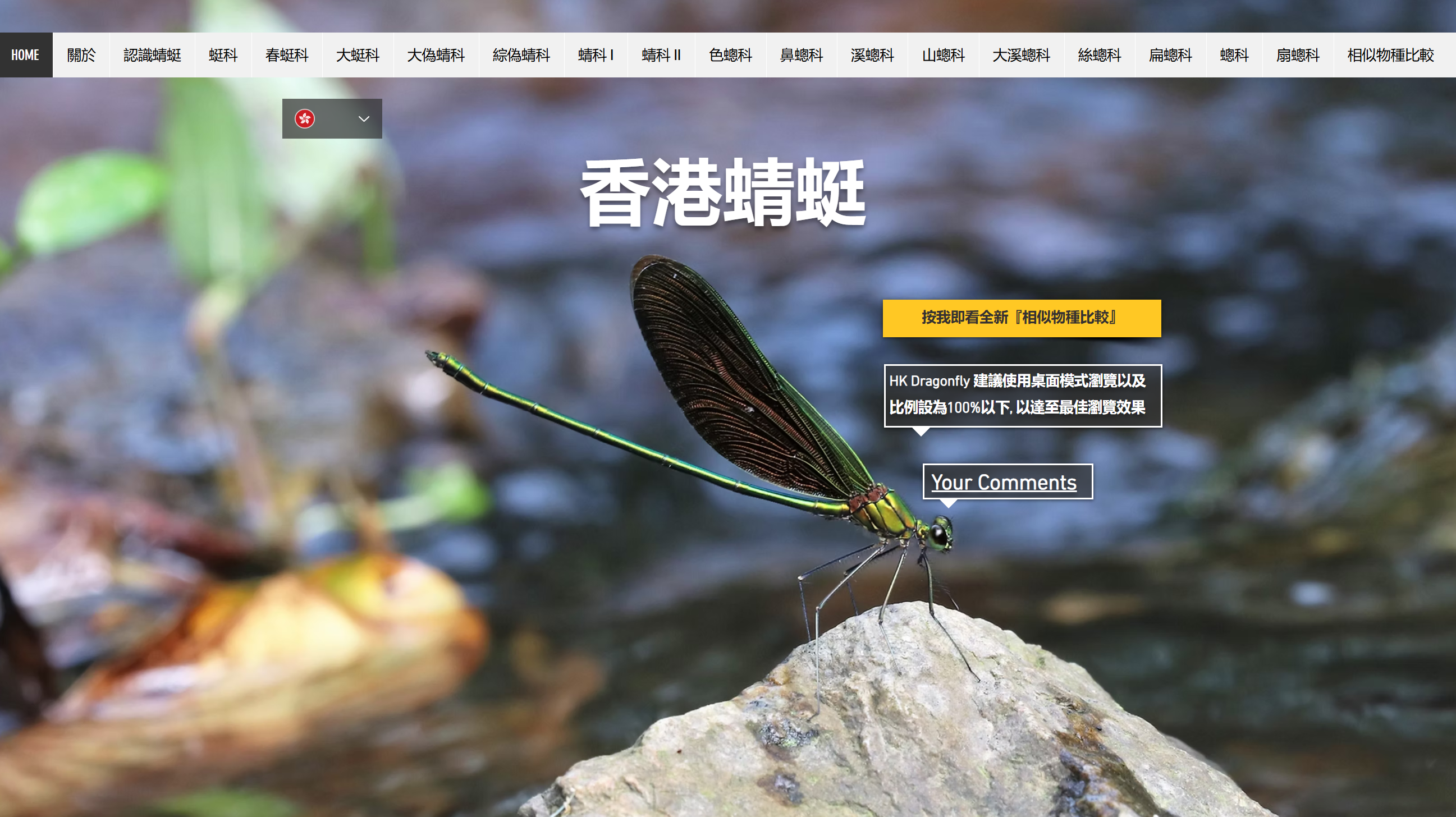
Figure 1. Enter the dragon: the home page for Hong Kong Dragonfly. Reprinted with permission from Ernest Chiu, Tom Li & Nelson Wan, 2026; published by hkdragonfly.com. ©2019 by Ernest Chiu, Tom Li & Nelson Wan.
Figure 1 also shows another aspect of Accessibility, how to toggle from English, represented here by a British flag on the top left, to Chinese. Such a toggle was available on every page, both the home page and the individual species pages, on most of the sites. In other words, most of the sites had monolingual pages.
Sites with the most species tended to allow advanced searches, for instance, for all the plants in Hong Kong with alternate trifoliate compound leaves, where leaves alternate along the branchlet and comprise three leaflets each. The Shiu-Ying Hu Herbarium site allows advanced searches of one character at a time by hyperlinking every character, as shown in figure 2.
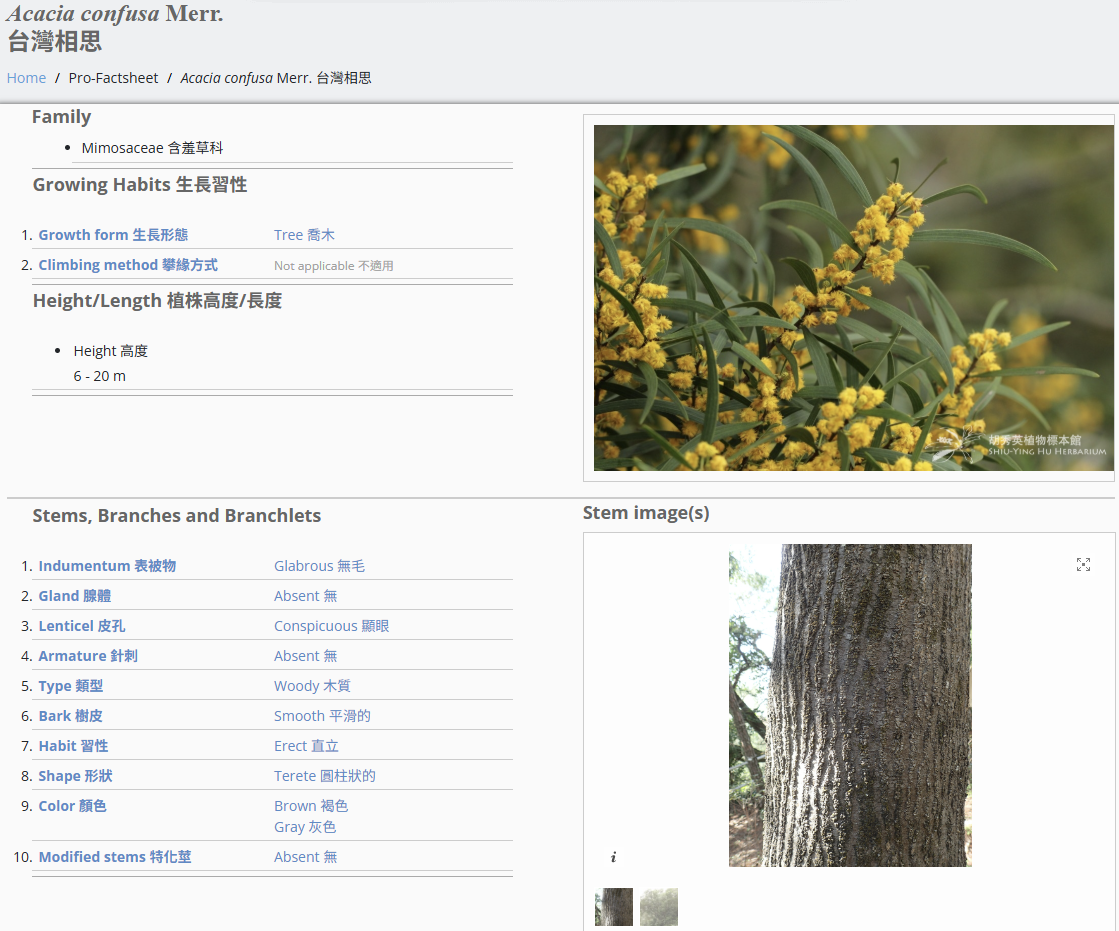
Figure 2. Acacia confusa on the Shiu-Ying Hu Herbarium website. Reprinted with permission from David Lau, 2026; published by https://syhuherbarium.sls.cuhk.edu.hk. ©2026 by Shiu-Ying Hu Herbarium, School of Life Sciences, Chinese University of Hong Kong
In this way, a list of all the ‘terete’ plants (see character no. 8 under Stems, Branches and Branchlets in figure 2 above) in the database is just a click away. The use of this term broaches the Acceptability and Adaptability of translation. Terete was translated into 圓柱狀的, meaning either ‘cylinder-shaped’ or, even more literally, ‘round-post-shaped.’ Any literate person can understand this Chinese translation. Due to the transparency of Chinese terms (Shuttleworth, 2017, p. 17), an intralingual translation, a translation within a language, for instance between a technical and a quotidian idiom, is usually unnecessary. Coined on a Latin model in the early seventeenth century, the original English term ‘terete’ is by contrast obscure to anyone who has not studied morphological description. The term is Acceptable in that it is accurate, but it is not Adapted to a wide readership. It is possible, however, for a reader to check the images to the right and infer that ‘terete,’ being a ‘shape,’ means cylindrical. In this way an intersemiotic translation between verbal and visual reduces the need for an intralingual translation.
The plant babes site makes the best use of such intersemiotic translation for the sake of Adaptability, as shown in figure 3.
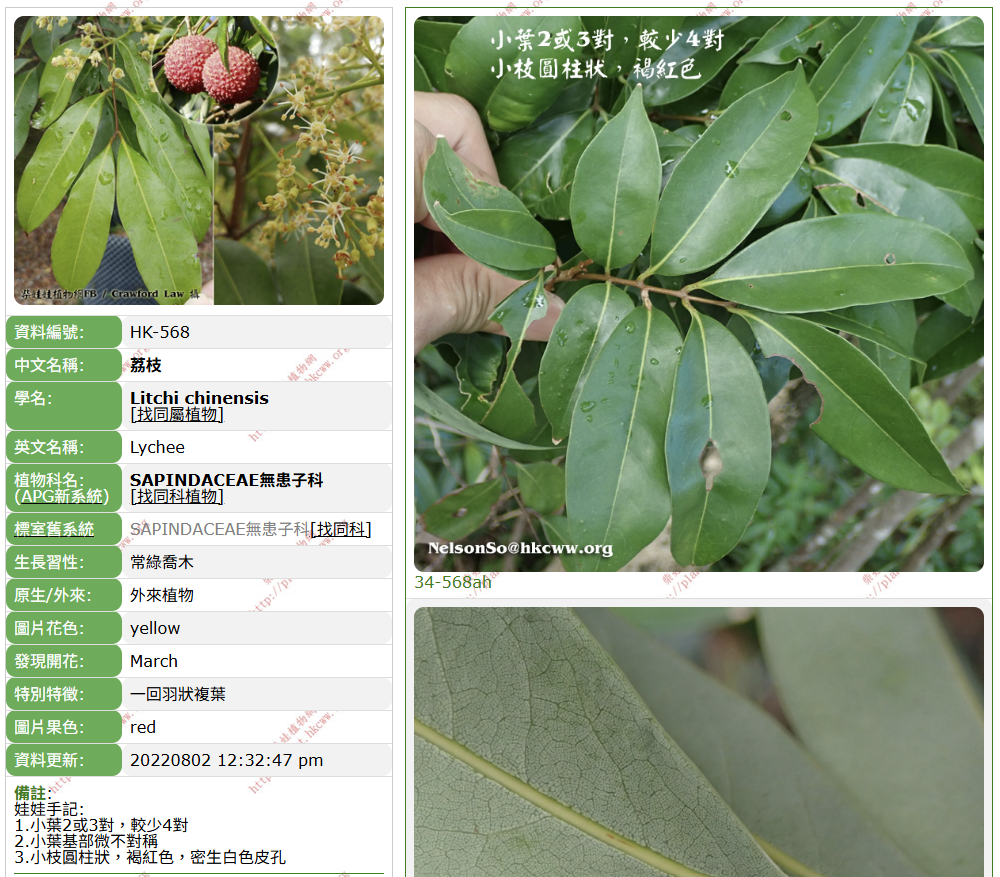
Figure 3. The lychee tree on hkcww.org. Reprinted with permission from Nelson So, 2026; published by hkcww.org. ©2026 by hkcww.org.
The site is an interlingual translation in juxtaposing the Chinese name, the scientific name, and the English name, as well as the English and Chinese of the family name. As for the other English words — yellow, March, and red — the creators of the site were biliterate and assumed its users were, too. There is a lot of room for improvement here, by making the site fully bilingual. But the site boasts two innovations in intersemiotic translation. First, the picture composite at the top left shows the diagnostic characters — the characteristics that facilitate identification — mentioned in the verbal description below, namely that it has (from left to right) 2–4 pairs of leaflets per leaf, red fruits, and yellow flowers. In this way, it can be regarded as an intersemiotic translation of the description. Second, picture 34-568ah at the top right is labelled with the same characters, in this case that there are 2, 3, rarely 4 pairs of leaflets, and that the branchlet is terete (圓柱狀) and reddish brown.
4.3. Who are the ecotranslators and what motivates them?
All of the ecotranslators are native Hongkongers but one, international executive Adam Francis, who founded the Hong Kong Snake ID website17. Unlike most of the ecotranslators, who have backgrounds in ecology-related fields at university, Francis was originally a casual observer who did his homework after every night safari, to the point where he became qualified to write a pair of field guides (on snakes and turtles), teach a course at the University of Hong Kong, and lead scientific surveys, in addition to founding Hong Kong Snake ID.
3 / 20 ecotranslation sites were created by individuals who were working on their own time and dime. In a video interview with the Hong Kong Biodiversity Museum for the first episode of Biodiversity Explorers, Adam Francis explains how he spent three years doing night safaris after work to complete the fieldwork for his HK Snake ID site. Similarly, Yiu Vor did the fieldwork for his fireflies site after coming home from work; he was an environmental educator by day, hosting groups of primary and secondary school students at the Ho Koon Nature Education Centre. The founder of Hong Kong Bat Radar prefers to stay under the radar.
Being independent leaves such ecotranslators free to express themselves as they see fit within the confines of Hong Kong legislation. Francis does not say anything about himself on his site, but in the same video interview he relays a childhood love of exploration and conveys an enthusiasm for research and concern about threats to biodiversity. Yiu Vor describes the history of his site with similar delight:
Since … I started my work on firefly survey and studies, the process has been full of surprises and adventures. I have learned lots of knowledge and made fireflyer friends all over the world. My life has become more wonderful. This website is a sharing of my experience and knowledge, and presenting the marvellous nature to everyone.
During a radio interview18, Yiu mentions that light pollution is threatening a rare firefly species (Oculogryphus chenghoiyanae), which only lives close to the Big Buddha resort on Lantau Island. If people were more aware of the problem, he says, they would support measures such as motion-detection path lights that would save energy and protect wildlife. In this way, his environmental education is for conservation.
The other 17 / 20 sites were founded by groups. Of these 3 were founded by informal self-funded groups, the plant babes tour group, the dragonflyers Chiu, Li, and Wan, and the freshwater collective. The tour group members describe themselves as ‘plant friends,’ a phrase that can be read two ways, friends of plants and friends who share a love of learning about plants, who want to “do something for Hong Kong ecology.” Chiu identifies as a ‘dragonfly lover,’ a phrase that should only be read one way, and Li loves to spend his days with Odonata, the order of insect that includes dragonflies and damselflies. It was Mr. Nelson Wan who introduced me to the Senegalese forester Baba Dioum, whom I cited in the introduction, on the linkage of affection for nature to environmental education and the conservation of biodiversity. The freshwater collective is dedicated to “conservation, research and education of Asian freshwater biodiversity.”
The rest, 14 / 20 sites, were founded (and are funded) by formal groups. 4 / 14 are NGOs: the Lepidopterists’ Association, OWLHK (which hosts the common spiders site), the Reef Fish Survey, and the Bird Watching Society. 2 / 14 were founded by philanthropic organizations, the Kadoorie Farm and Botanic Garden and the Sik Sik Yuen (the sponsor of the Ho Koon Centre, which hosts the HKBIS). 2 / 14 were founded by a university, the Chinese University of Hong Kong. 1 / 14 was founded by an education organization, the Sea Education Association, which founded Intertidal Safari. This was the only site founded by a local branch of an international organization. 4 / 14 were founded by government agencies: the Hong Kong Herbarium, the Hospital Authority (which maintains the site on poisonous plants), the Wetland Park, and the Agriculture, Fisheries and Conservation Department (AFCD). The AFCD, which has developed the Hong Kong Biodiversity Information Hub (HKBIH), explains the site’s purpose as “to foster a better understanding of local biodiversity by the general public” in order to realise the Hong Kong Biodiversity Strategy and Action Plan (BSAP). The rationale of this policy is that in addition to enriching people’s lives, environmental education can help safeguard biodiversity. Finally, 1 / 14 sites was founded by a for-profit organization with an educational mission, Ocean Park, a marine theme park.
While the individuals and informal groups express more enthusiasm for nature, I cannot detect any significant differences in motivation or concern between formal and informal. I doubt that patronage was a significant factor in determining content or translation approach. What, then, was the point of the foregoing analysis? It suggests that individuals and groups, whether formal or informal, are all pulling more or less in the same direction, towards sharing a love of nature, educating the public, and conserving biodiversity.
None of the individuals or groups, however, used the word translation in their introductions to themselves or their sites, which are patently works of translation. I can find no evidence of any of them working as translators. I would therefore describe them as people who translate rather than professional or self-styled translators.
5. A comparison of two sites
The two ecotranslation sites founded by named individuals differ in terms of Accessibility, as shown in figures 4, 5, and 6 below.
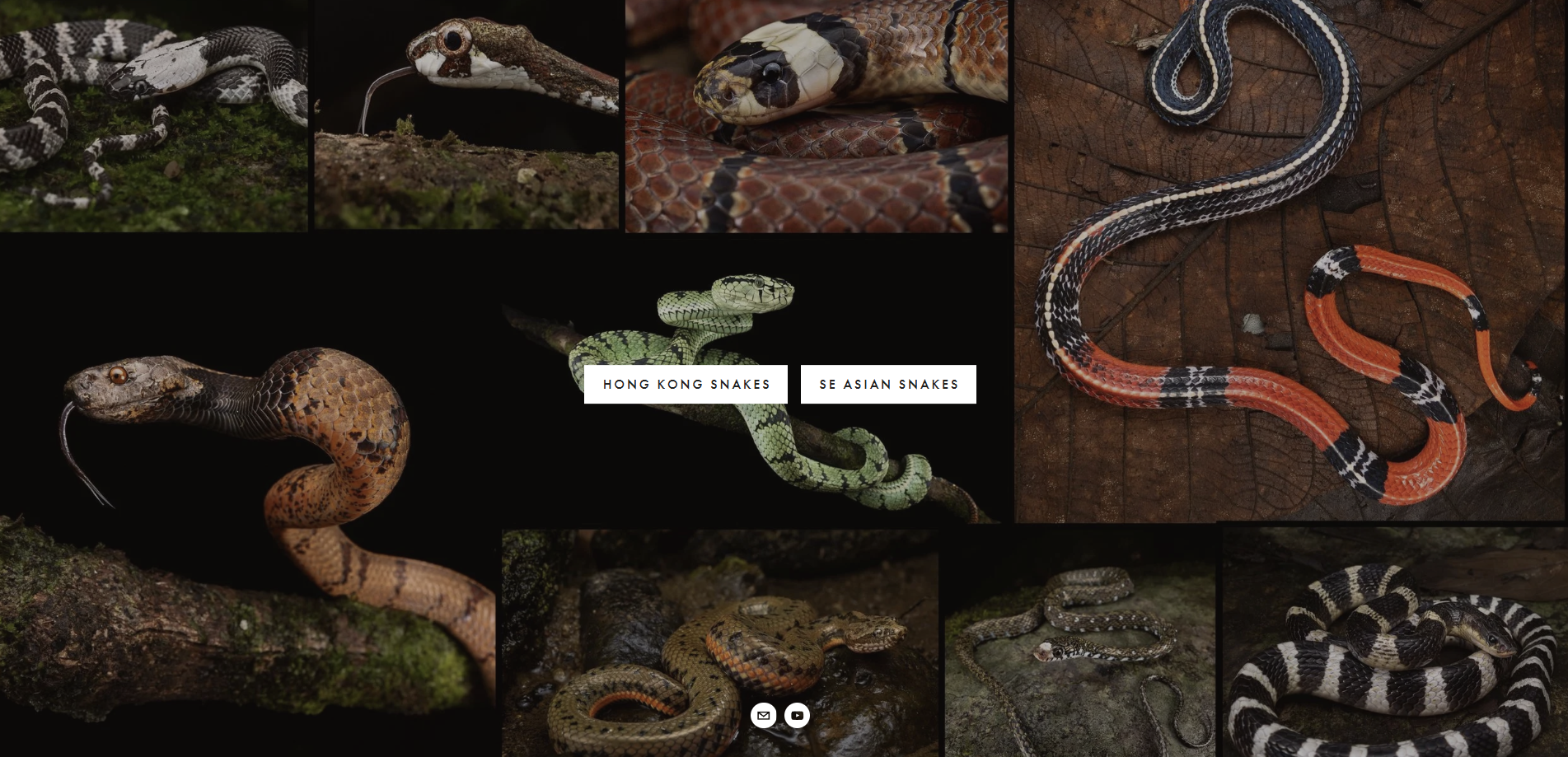
Figure 4. The landing page of HK Snake ID. Reprinted with permission from Adam Francis & Robert Ferguson, 2026; published by hongkongsnakeid.com. ©2018 by Adam Francis & Robert Ferguson.
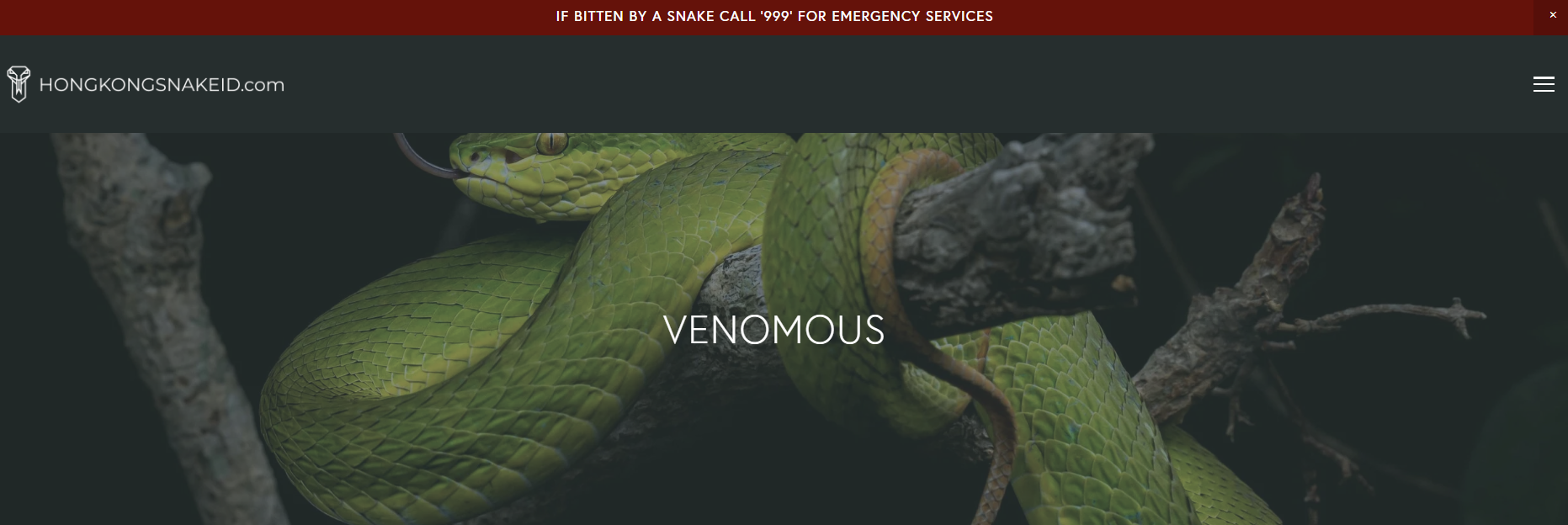
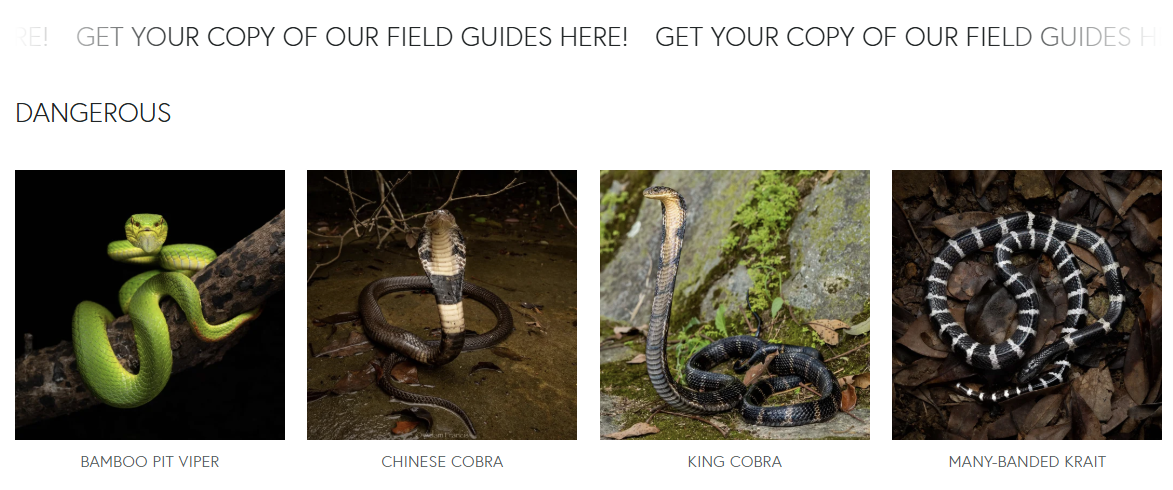
Figure 5. The top of the home page of HK Snake ID. Reprinted with permission from Adam Francis & Robert Ferguson, 2026; published by hongkongsnakeid.com. ©2018 by Adam Francis & Robert Ferguson.
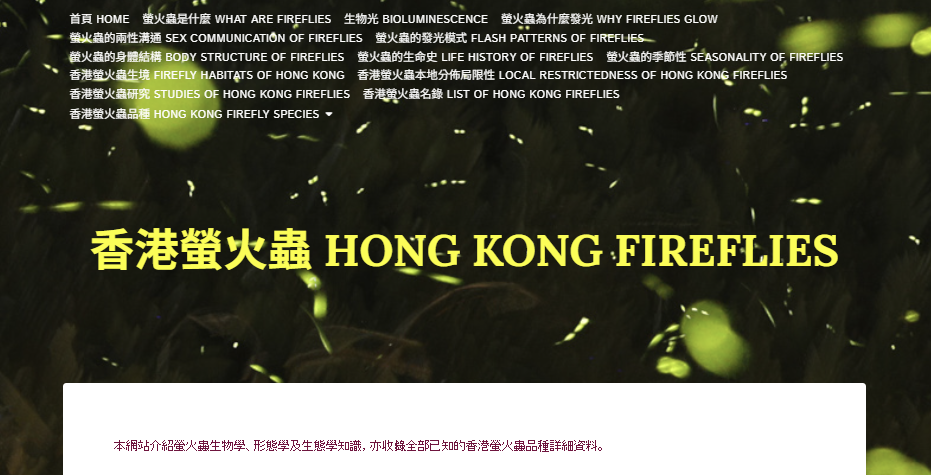
Figure 6. The top of the home page for Hong Kong fireflies. Reprinted with permission from Yiu Vor, 2026; published by fireflies.hk. ©2023 by Yiu Vor.
The Hong Kong Snake ID landing page in figure 4 is a collage of Adam Francis’s snake photographs, with buttons for Hong Kong snakes and Southeast Asian snakes. This raises the question of why the site is called Hong Kong Snake ID. Containing Hong Kong turtles, it might also be described as Hong Kong Reptile ID. Francis has clarified that it started with snakes but has since snowballed. He expects to revamp it as Hong Kong Herp ID, where the polyphyletic category of herp includes both reptiles and amphibians, and to split the Asian snakes off into a separate site.19
One has to press the Hong Kong snakes button to get to the home page in figure 5, which is topped by a banner that tells you what to do if you happen to get bitten by a snake. This banner is followed by a banner advertising the author’s field guides (Francis, 2022, 2024). Then come two sections, on venomous and non-venomous snakes. To access the monolingual descriptions of each species along with pictures and embedded videos, you press the picture of the snake. The turtles have a separate home page, which is divided differently, into native and introduced species, accessed through the menu on the top right. The same menu contains a Chinese page of Hong Kong snakes, but not a Chinese page of turtles. There is no other way to toggle from one language to the other. There is no introduction to Hong Kong reptiles for a general audience.
By contrast, the Hong Kong fireflies home page in figure 6 is simpler and thus more Accessible. There is no landing page, and only the one home page. The background is a long-exposure photograph that captures the light trails of a kind of firefly that glows instead of pulsing. The title is appropriately in yellow. It is also bilingual, as is the whole website; there is no need to toggle between Chinese and English. The drop-down topics at the top introduce aspects of firefly science to a non-specialist audience of Chinese or English native speakers. The final topic drops down to a list of Hong Kong firefly species arranged by family and genus.
My comparison of the two sites has already broached Acceptability and Adaptability; arranging the snakes by degree of danger and the turtles by provenance surely adds to Acceptability given the public health concern of venomous snakes and the threat that invasive species of turtle pose to native species. The introductions for laypeople on the fireflies site improve Adaptability.
To assess Acceptability and Adaptability in more detail, let us take a look at an example page from each website. The page for the bamboo pit viper on the snakes site contains the following summary in English:
VENOM: Toxic - Requires immediate medical attention
PREVALENCE: Common
ACTIVE PERIOD: Active at night
KEY ID FEATURES: Bright green body and yellow belly, triangular head, normally positioned to strike
BEHAVIOR: Ambush predator usually stays still and ready to strike, will bite readily if scared or grabbed
SIZE: Small/Medium - 40–60cm (males), 60–90cm (females)
IUCN: LC - Least Concerned20
OTHER: Can be mistaken with Greater Green Snake
This summary is followed by a ‘venom review’ that contains technical terms such as ‘procoagulant,’ ‘haemorrhagins,’ and ‘nephrotoxins,’ the meaning of which only an etymologically inclined reader could guess. The review is followed by another warning not to confuse the bamboo pit viper with the greater green snake and then by a series of pictures and an embedded video from Snake ID TV, Adam Francis’s YouTube channel, shown in figure 7.
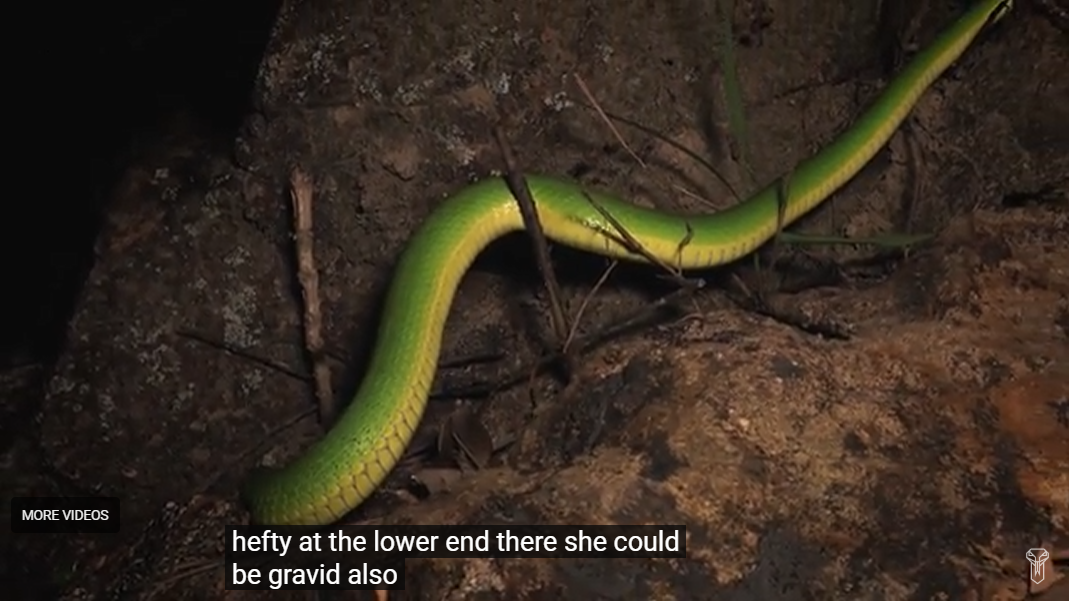
Figure 7. A still from Adam Francis’s video on the bamboo pit viper. Reprinted with permission from Adam Francis & Robert Ferguson, 2026; published by hongkongsnakeid.com. ©2018 by Adam Francis & Robert Ferguson.
In the video Mr. Francis uses a technical idiom without further intralingual translation of terms like ‘gravid’ into words like ‘pregnant.’ But there are verbal clues to the meaning of ‘gravid,’ namely “hefty at the lower end” and “she,” that can be viewed as intralingual translations. Juxtaposing these intralingual translations with an intersemiotic translation, the moving image of a female snake that is heavy with child, helps communicate the same concept.
How did the English translate interlingually into Chinese? The top of the Chinese page for this species is shown in figure 8.
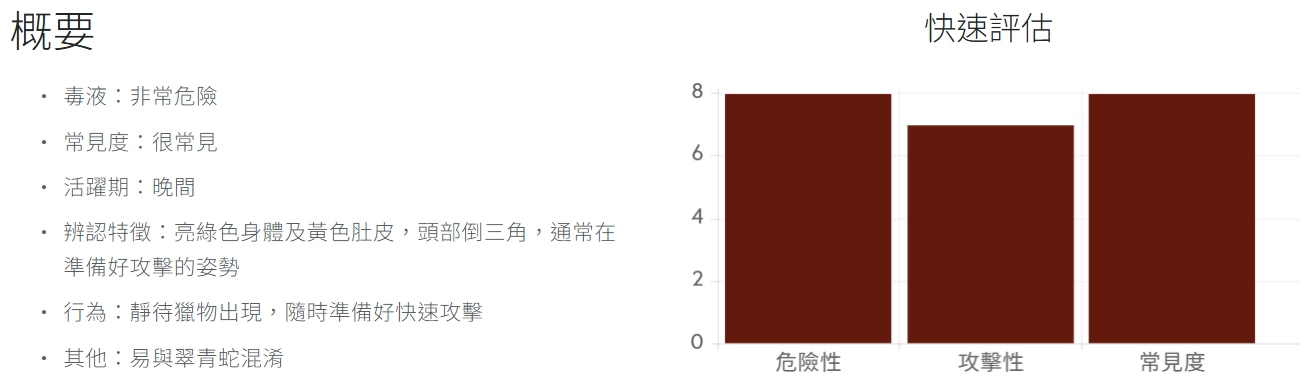
Figure 8. The Chinese page for the bamboo pit viper. Reprinted with permission from Adam Francis & Robert Ferguson, 2026; published by hongkongsnakeid.com. ©2018 by Adam Francis & Robert Ferguson.
Instead of “requiring immediate medical attention,” as in the original English, the Chinese just says that the viper is “very dangerous.” It is also missing the information about the sex size disparity, which is important in identifying individuals, and the species status on the International Union for Conservation of Nature Red List, which is important for conservation. These three omissions reduce Acceptability.
There are, however, compensations, starting with the “quick assessment” to the right of “danger” (left bar), “aggression” (centre bar), and “prevalence” (right bar). This bar graph translates information intersemiotically into a verbal / visual form that is easier to process. Below the summary to the left and the bar graph to the right come three paragraphs on characters, behaviour, and ecology that contain two of the three missing pieces of information: the need for immediate medical attention in the event of a bite and the sex size disparity, but not the degree of endangerment. The Chinese translation moreover contains two words that indicate a Hong Kong Cantonese-influenced Mandarin, a Cantonese typo of 平衡 for 平行, meaning ‘parallel’ (the two words are homophones in Cantonese), and the Cantonese 開揚 instead of Mandarin 開闊, meaning ‘wide open.’ The use of these two words implies that the translation was done by a human being for a local audience, because no MT system would have produced a mostly Mandarin text with a Cantonese typo and a Cantonese word mixed in. This translation is best adapted to a Hong Kong audience, slightly less so to readers of standard Chinese. I have confirmed with Mr. Francis that the translation was done by a human being, a student freelancing as a translator.
What about the fireflies site? The introductory pages seem to be entirely Acceptable in terms of accuracy and subject matter and are Adapted to a non-specialist audience. The page for Why Fireflies Glow for instance explains that “There are 3 known reasons for bioluminescence of fireflies: 1. as a signal of communication between opposite sexes; 2. as a warning signal; 3. as a lure.” Done by Yiu Vor himself, the English translation is stilted; “between opposite sexes” for instance should be “between the sexes” or “with the opposite sex.” Style aside, it is perfectly understandable. The technical descriptions of species are Adapted to a much more sophisticated audience, as shown in figure 9 below.
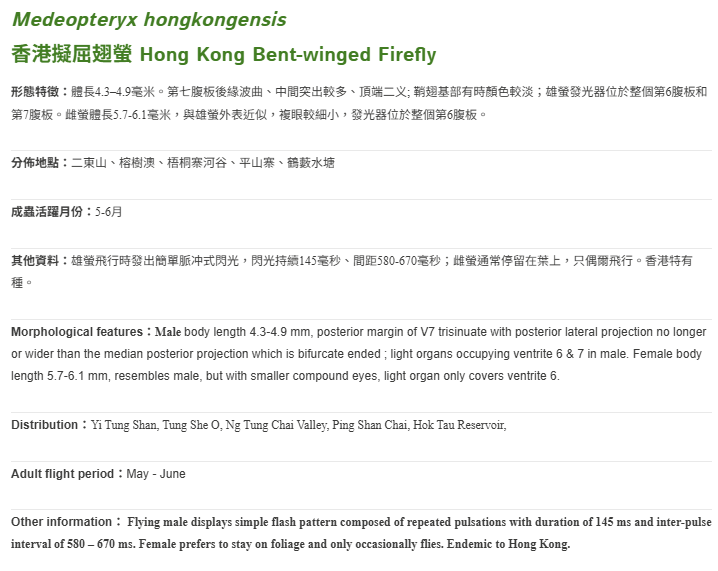
Figure 9. An example species description from Hong Kong Fireflies. Reprinted with permission from Yiu Vor, 2026; published by fireflies.hk. ©2023 by Yiu Vor.
Each such description begins in green font with the scientific name and the common names, then switches to a black font for the technical description proper, and finally presents an intersemiotic translation in the form of illustrative photographs, graphs, and videos. The page for this species has 16 photographs, 1 graph of the flash pulse, and 1 video of the same.
The first paragraph of every description is morphological, and offered the most fodder for an analysis of Acceptability and Adaptability. For example, the Chinese-language morphological description of the Hong Kong bent-winged firefly states: “第七腹板後緣波曲.” In English: “the back edge of the plate on the 7th abdomen (segment) is wavy.” The problem is that the word 腹 can mean either ‘abdomen,’ one of the three main structures in the body plan of an insect, or ‘ventral,’ the ‘belly’ of the beetle21. The author’s English translation, “posterior margin of V7 trisinuate,” clarifies what the author intended: V stands for ‘ventrite,’ which is cognate with ‘ventral’; V7 refers to a protective plate, part of the insect’s exoskeleton, on the ‘belly’ side of the 7th segment of the abdomen. The English translation also includes more information than the Chinese: tri-sinuate rather than just sinuate.
To improve Adaptability, Yiu Vor could translate “posterior margin of V7 trisinuate” into a formulation like “the rear edge of the seventh belly plate is wavy, with three waves.” On the other hand, the following picture arguably makes the translation more Adaptable by serving as an intersemiotic translation:
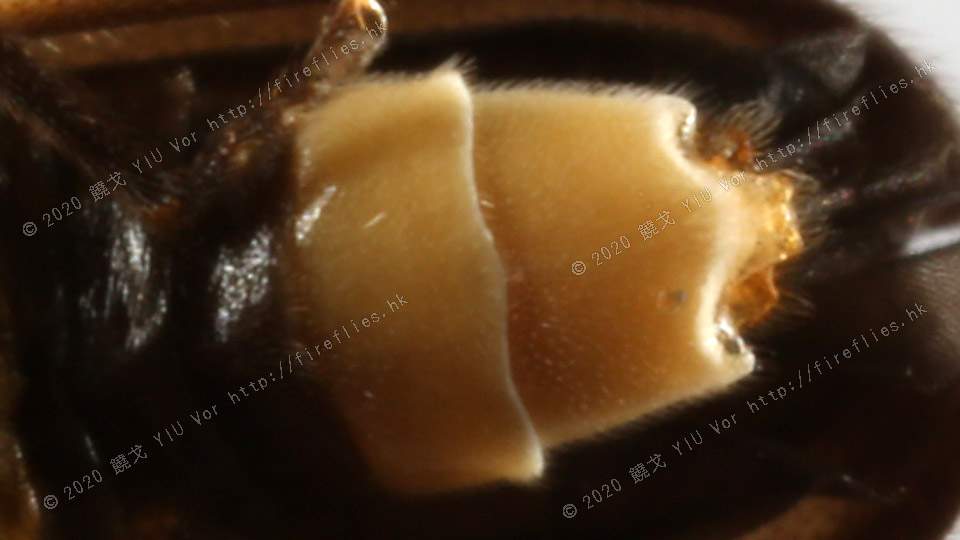
Figure 10. An intersemiotic translation of ‘trisinuate.’ Reprinted with permission from Yiu Vor, 2026; published by fireflies.hk. ©2023 by Yiu Vor.
V7 is the lefthand yellow blotch, part of the insect’s light organ. A highly motivated layperson could guess the meaning of ‘trisinuate’ from the picture, but Yiu Vor could make the guessing game easier, and his translation even more Adaptable, by labelling the three waves: 1, 2, 3.
6. Summary and suggestions for future research
The above discussion and comparison allow for provisional answers to my three research questions. First, the digital revolution has created ample opportunities for private individuals and public groups alike to occupy online ecotranslational niches that complement global sites like Facebook, Wikipedia, and iNaturalist. It has not yet facilitated interlingual translation, but it likely will going forward; Adam Francis, for instance, has informed me (by e-mail) that he is considering deploying automated translation software, specifically Weglot, which features AI translation and a human reviewer. Second, the ecotranslations varied in terms of Accessibility, Acceptability, and Adaptability. While all the sites were Accessible by web searches, complicated web designs and translation toggles hidden in drop-down menus reduced Accessibility, while simple, fully bilingual sites enhanced it. Inaccuracies or inconsistencies in translation reduced Acceptability, while curating information according to concerns like public health and endangerment enhanced it. The use of Cantonese words in Chinese texts and obscure technical terms, particularly in English, reduced Adaptability, while intersemiotic translations into graphs, pictures, and videos enhanced it. Third, the ecotranslators were enthusiasts who wanted to share a love of nature and educators who hoped to protect biodiversity, without significant differences that could be explained in terms of patronage or origin; I could detect no differences besides that the translations by the American immigrant Adam Francis were in fluent English and translations by native Hongkongers were sometimes stilted. None of the ecotranslators made a connection between biodiversity and cultural or linguistic diversity (cf. Manić, 2026). None of the ecotranslators identified as an activist (cf. Todorova, 2022), but the label is not inappropriate, because they clearly aspire to be agents of significant social change, namely environmentally educated fellow citizens who would care more about biodiversity.
There are two main ways of moving beyond the current case study, by going deeper and broader. Deeper would mean to keep digging in Hong Kong. I adopted one user’s perspective, my own; it might be interesting to know whether ecotranslators receive user feedback and how they act on it. The coexistence of analogue and digital ecotranslation could be studied. Bilingual print field guides like Adam Francis’s guides to turtles (2022) and snakes (2024) continue to be published, and could be compared to online counterparts. Translators can collaborate with the people who have been translating ecological texts without expertise in translation; I have such a project in mind with Adam Francis and Yiu Vor, whose sites I compared in section 5. I have another ecotranslation project in mind that introduces an ethnobotanical angle on Hong Kong species through their names. Family Sapindaceae mentioned in figure 3 is so named because it was a source of soap, sapo in Latin. The name in Chinese is 無患子科, literally the family of carefree plants, which freed people from care as a premodern source of soap. There are many other niches to fill in the online ecosystem of environmental education, like one dedicated to Hong Kong earthworms.
For breadth, Hong Kong can be compared to other cities. Are cities like Montreal as well represented in terms of digital urban ecotranslation as Hong Kong, or is Hong Kong special due to its history as an officially bilingual city colony (until 1997) and Special Administrative Region (since 1997)? Are city states such as Singapore, which has implemented a Speak English policy over the past thirty years, sites of ecotranslation? How does ecotranslation respond to or influence environmental policy? Do ecotranslators in other places explicitly relate biodiversity to cultural and linguistic diversity, and if so how do they realise the relation in their content? Do they identify as activists? Attempting answers to such questions might help scholars feel more connected to nature and develop the subdiscipline of ecotranslation studies in new directions for the sake of positive social and ecological change.
Acknowledgements/Funding
The research for this article was supported by a Faculty Research Grant at Lingnan University entitled Ecotranslation of Sinophone Cities (LU101937).
References
Barcz, A., & Cronin, M. (2023). Eco-translation and interspecies communication in the Anthropocene. In Wilmer, S. E., & Žukauskaitė, A. (Eds.), Life in the posthuman condition: Critical responses to the Anthropocene (pp. 130–148). Edinburgh University Press.
Chen, S., & Lin, Y. (2025). A multidimensional comparison of ChatGPT, Google Translate, and DeepL in Chinese tourism texts translation: fidelity, fluency, cultural sensitivity, and persuasiveness. Frontiers in Artificial Intelligence, 8, 1–15.
Cronin, M. (2012). Translation in the digital age. Routledge.
Cronin, M. (2017). Eco-translation: Translation and ecology in the age of the Anthropocene. Routledge.
Da Silva, A. (1969). Some notes on ethno-botany in the New Territories of Hong Kong. Journal of the Hong Kong Branch of the Royal Asiatic Society, 9, 124–130.
Da Silva, A. (1972). Tai Yu Shan: Traditional ecological adaptation in a south Chinese island. Orient Cultural Service.
Dudgeon, D., & Corlett, R. (2004). The ecology and biodiversity of Hong Kong. Lions Nature Education Foundation.
Folaron, D. (2012). Digitalizing translation. Translation Spaces, 1, 5–31.
Francis, A. (2022). A field guide to the turtles of Hong Kong. The Lion Rock Press.
Francis, A. (2024). A field guide to the snakes of Hong Kong, second edition. The Lion Rock Press.
Hunn, E. S. (2002). Evidence for the precocious acquisition of plant knowledge by Zapotec children. Proceedings of the 7th International Congress of Ethnobiology, 604–613.
Jakobson, R. (2000 [1959]). On linguistic aspects of translation. In L. Venuti (Ed.), The translation studies reader (pp. 113–118). Routledge.
Kinnunen, T., Kuusi, P., & Määttä, S. (2025). Multilingual accessibility of websites in relation to translation policies: Municipal websites in the Helsinki metropolitan area during the COVID-19 pandemic. Translation in Society, 4(2), 220–247.
Liao, M.-H. (2010). Translating science into Chinese: An interactive perspective. The Journal of Specialised Translation, 13, 44–60.
Liao, M.-H. (2011). Interaction in the genre of popular science. The Translator, 17(2), 349–368.
Manić, N. (2026). Translation as a form of language activism: An ecolinguistic perspective. Language Sciences, 113, 1–13.
O’Brien, S., Federici, F. M., Cadwell, P., Marlowe, J., & Gerber, B. (2018). Language translation during disaster: A comparative analysis of five national approaches. International Journal of Disaster Risk Reduction, 31, 627–636.
Richardson, M., Hamlin, I., Elliott, L. R., & White, M. P. (2022). Country-level factors in a failing relationship with nature: Nature connectedness as a key metric for a sustainable future. Ambio, 51, 2201–2213.
Rivas Ginel, M. I., & Moorkens, J. (2025). Translators’ trust and distrust in the times of GenAI. Translation Studies, 18(2), 283–299.
Scott, C. (2015). Translating the nineteenth century: A poetics of eco-translation. Dix-Neuf, 19(3), 285–302.
Shuttleworth, M. (2017). Studying scientific metaphor in translation. Routledge.
Simon, S. (2006). Translating Montreal: Episodes in the life of a divided city. McGill-Queen’s University Press.
Simon, S. (2012). Cities in translation: Intersections of language and memory. Routledge.
Simon, S. (Ed.) (2016). Speaking memory: How translation shapes city life. McGill-Queen’s University Press.
Song, G. (2025). Towards a ‘cyberpunk translation’ for global cities: A study of Kowloon City in Hong Kong. Perspectives, 1–25.
Sterk, D. C. (2025). Transforming college students into citizens of planet Earth through ecotranslation. In Song, G., & Chen, X. (Eds.), Translation practitioners as agents of transformation in multilingual settings (pp. 67–83). Springer.
Todorova, M. (2022). The role of translation in environmental protection: An inclusive approach. The Translator, 28(4), 415–428.
Tymoczko, M. (2010). The space and time of activist translation. In Tymoczko, M. (Ed.), Translation, Resistance, Activism (pp. 227–254). University of Massachusetts Press.
Wong, Y-W. (1999). Ecology and biodiversity of a degraded landscape: Lamma Island, Hong Kong. University of Hong Kong Ph. D. Dissertation.
Zhang, H. (2018). The symbol of spread of modern Western botany into China: Chih-wu hsüeh, an unconventional translation in the late Qing dynasty. Protein & Cell, 9(6), 511–515.
Websites
Hong Kong Lepidopterists Society: hkls.org.
Plant Babes Plant Web and Natural Ecosystem Web: https://hkcww.org/hkplant/index.php.
Hong Kong Dragonfly: https://www.hkdragonfly.com.
Hong Kong Herbarium: https://herbarium.gov.hk/en/home/index.html.
Hong Kong Birds: https://apps.apple.com/us/app/hkbirds-birds-of-hong-kong/id1573110755.
Shiu-Ying Hu Herbarium: https://syhuherbarium.sls.cuhk.edu.hk/collections/factsheet-pro.
Hong Kong Biodiversity Information System: http://www.nature.edu.hk.
HK Snake ID: https://www.hongkongsnakeid.com.
Atlas of Poisonous Plants in Hong Kong: https://www3.ha.org.hk/toxicplant.
Ocean Park’s Animal and Plant Guide: https://www.oceanpark.com.hk/en/education-conservation/conservation/animal-and-plant-guide.
Hong Kong 114 Degrees East Fish Survey: https://www.114ehkreeffish.org.
Hong Kong Wetland Park: https://wetlandpark.gov.hk/en/biodiversity/beauty-of-wetlands.
Coral Academy: https://www.coralacademy.hk/marine-life-illustration-eng.
Kadoorie Farm & Botanic Garden Fauna/Flora Conservation Pages: kfbg.org/tc/fauna-conservation.
Hong Kong Fireflies: https://fireflies.hk.
Freshwater Collective Freshwater Species App: https://apps.apple.com/hk/app/freshwater-species-hong-kong/id1540616520.
Common Hong Kong Spiders: hkspider.owlhk.org.
Hong Kong Biodiversity Information Hub: https://bih.gov.hk/en/home/index.html.
Hong Kong Bat Radar: hkbatradar.com.
Intertidal Safari: intertidalsafari.hk-sea.org/zh/species-list.
* https://orcid.org/0000-0002-0232-0855, darrylsterk@ln.edu.hk; shidailun@gmail.com.↩︎
iNaturalist is now a non-profit supported by the National Geographic Society, the California Academy of Sciences, and Google. It can be used on a computer as a webpage or on a smartphone as an app.↩︎
Jakobson’s three types of translation were interlingual (between languages), intralingual (within languages), and intersemiotic (between verbal and other sign systems, for instance visual ones).↩︎
The list of sites can be found here: hkbatradar.com/en/ecology_related_work.↩︎
Year of founding was assessed using the Wayback Machine on the Internet Archive at web.archive.org.↩︎
Traffic was assessed on 9 March 2026 using the free tier of pro.similarweb.com for February.↩︎
The HK butterflies site migrated, so to speak, from the Hong Kong Lepidopterists’ Society website to hkbutterfly.net, which at the time of writing is not operational; it is in hibernation but has not gone extinct. It is not to be confused with hkbutterfly.com, an online community for lesbians.↩︎
For these five sites, the traffic figures are inflated because I could only search the host site.↩︎
柴娃娃 or ‘plant babes’ is a Cantonese expression that expresses affection for cute and vulnerable herbaceous creatures.↩︎
The iNaturalist numbers were checked on 11 March 2026.↩︎
This figure includes beetles in families Rhagophthalmidae and Lampyridae.↩︎
This figure includes both bony and cartilaginous fish.↩︎
Statistics for the HKBIS were gleaned from a pdf of statistics that Gary Chan from the Ho Koon Centre shared with me by e-mail on 17 March 2026.↩︎
This figure includes both fungi and lichens.↩︎
Like the HKBIH, the Hong Kong Herbarium (site no. 4) is limited to native plants.↩︎
Hong Kong Snake ID is also copyrighted to noted wildlife photographer Robert Ferguson, but the About page explains that it is Adam Francis’s brainchild.↩︎
https://www.rthk.hk/radio/radio3/programme/hashtaghk. He appeared on the 5 May 2024 show, which is unfortunately no longer available.↩︎
At some point between 20 May and 30 June 2026, Adam Francis renamed his site to https://www.hkherpetofauna.com. The herpetofauna include not just reptiles, but also amphibians.↩︎
‘Least Concerned’ makes it sound as if the snake could care less. This is a typo: LC is Least Concern.↩︎
There is a similar problem in English, in that ‘abdomen’ usually refers to the belly, not the back. In an insect the abdomen includes both belly and back.↩︎
Notes
The ‘a’ at the end of funga limits the reference to local species, not fungi as global phenomena.↩︎